
A Guide to the Birds of the Mjejane Game Reserve
The who’s who of birds in the Mjejane Private Game Reserve, on the Kruger’s southern boundary, straight from the expert safari guides who take our guests out on safari.
Mjejane Birding Guide
Birding Guide
Welcome to the Mjejane Birding Guide, a bird guide to some of the sensational avian wildlife that ‘twitchers’ (also known as birders) are constantly on the lookout for in the Mjejane Game Reserve. This advice comes directly from the horse’s mouth (or should that be the bird’s beak?), as we have asked the expert safari guides who regularly take our guests out on safari for their take on the who’s who on the Mjejane birding block of the Kruger National Park.

Mjejane Game Reserve Birds at a Glance
As the Mjejane borders the Kruger National Park, many of the over 500 bird species that call the KNP home in the summer months can also be spotted in the Mjejane, but the Mjejane also offers up some special treasures and unique ways to encounter the birds!
- Over 330 bird species recorded in the Mjejane
- Night birding
- ± 4000 hectares of game-viewing possibility
- 5-star rating on TripAdvisor
- Endless photo opportunities
Birds featured in this guide
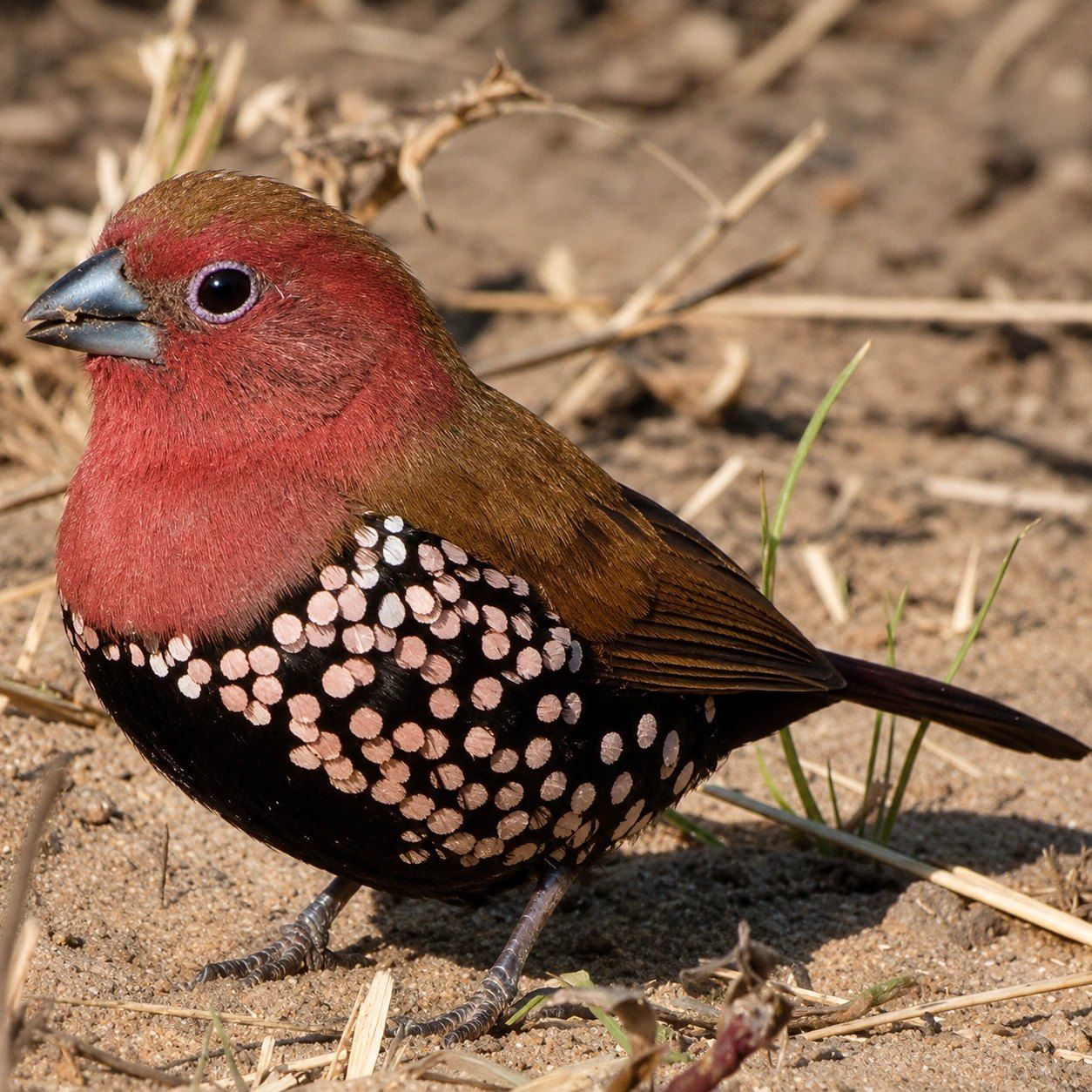
Scops Owl, Verreaux’s Eagle Owl, Water Thick-knee, Osprey, African Fish Eagle, Red-billed Firefinch, Bronze-winged Courser, Crested Barbet, Burchell’s Starling, Dark-capped Bulbul, Dwarf Bittern, European Nightjar, Greater Spotted Cuckoo, Green Sandpiper, Saddle-billed Stork, Green Wood Hoopoe, Jacobin Cuckoo, Jameson’s Firefinch, Levaillant’s Cuckoo, Pink-throated Twinspot, Secretarybird, Temminck’s Courser, Wahlberg’s Eagle, White-fronted Bee-eater, African Black Duck, African Finfoot, African Crake and Black Heron.

Two Experienced Safari Guides Weigh In with Tips on Birding in the Mjejane
Gavin Sims is an expert game ranger who often takes Jacana River Lodge guests out on safari.
Mario Paul has been a guide in the Kruger region since 2012, is a specialist birding guide and has been guiding in the Mjejane Game Reserve for years. He is also a wildlife and bird photographer.
Which birds are found in the Mjejane and not as frequently elsewhere in the Kruger?
Gavin Sims: “I had fantastic and numerous sightings of certain species that I have only very rarely seen in KNP: Pink-throated Twinspot, Green Sandpiper, Dwarf Bittern and European Nightjar. I had numerous brood parasite encounters: Dark-capped Bulbul raising a Jacobin Cuckoo chick, Crested Barbet raising Levaillant’s Cuckoo and Burchell’s Starling raising Greater Spotted Cuckoo. Not to mention the Jameson’s and Red-billed Firefinches with their Purple and Village Indigobird broods in tow.”
Mario Paul: “There are some birds that do occur on Mjejane which are very difficult to find in the Kruger National Park. These birds include African Crake, White-backed Night Heron and Temminck’s Courser, to name a few.”
Year round, what can one look forward to ‘per season’ when it comes to birding in the Mjejane?
Mario Paul: “The summer months are the most exciting, as this is when all the summer migrants are back on the reserve. Although the reserve is small, it has quite diverse habitats which then attract many different bird species to the area. Without having to cover much ground, one can get to these pockets of habitats quite easily. Birds like Broad-billed Rollers, Dusky Larks, European Rollers, European & Carmine Bee-eaters, Green Sandpiper, Harlequin Quail, Western Osprey, European Nightjar and Lesser-spotted Eagle are some examples of birds that are present during the summer months.
The winter months also offer great birding. Unfortunately, there is a perception that one cannot bird in the winter. This couldn’t be further from the truth! Yes, the migrants have moved off, but there are still many birds around. I have also noticed that during the winter months, birds like African Hawk Eagles are much more common. This is probably due to there being far less competition from other raptors. We also find that some altitudinal migrants move into the reserve at this time of the year, especially in the well-vegetated areas like within Erf 1 and along the orange boundary fence. Altitudinal migrants are birds who normally live at higher elevations in the summer but move down to lower altitudes during the winter. Here they find more food than on the cold escarpment and highveld. These migrants can include birds like Narina Trogon, Olive Bushshrike, White-breasted & Grey Cuckooshrikes, to name a few. Furthermore, there is far less foliage to contend with, which makes spotting the birds far easier.
It doesn’t matter what time of the year you are coming; there will always be some interesting birds around to see.”
Which birds are seen in larger numbers in the Mjejane?
Gavin Sims: “Not sure about large numbers, but Secretarybirds gave frequent sightings as they were nesting on Mjejane. Saddle-billed Stork too. Temminck’s and Bronze-winged Coursers were daily sightings.”
Mario Paul: “Mjejane is home to large numbers of all the common species, of which there are far too many to name. The open plains close to Erf 1 are home to many different LBJs, like African Pipit, Buffy Pipit, Red-capped Lark, Dusky Lark, Sabota Lark and a few different Cisticolas. There is a large breeding population of White-breasted Cormorants at Mjejane dam. There is also a high diversity in raptors and accipiters to be found on the reserve.”
What makes birding in the Mjejane different to birding in the Kruger?
Gavin Sims: “As a destination to bird, Mjejane offers a broader network of roads in a smaller area. Access to river and wetland and dams. Together with the open vehicle experience and ability to avoid masses of vehicles, one can enjoy a fruitful birding excursion. And a walk through the lodge area will already give you a great bird count.”
Mario Paul: “Mjejane is a private game reserve with a good road network. This means that sightings are being controlled and never crowded like they can become in Kruger. The road network allows us to get right into the preferred habitats and enjoy the birds at close range.”
Day birding and night birding: which is the best option for Mjejane birding enthusiasts?
Gavin Sims: “For a night birding experience Mjejane will provide a far better experience than KNP as you have the privilege of spending time after dark with access to a really good variety of nocturnal life.”
Mario Paul: “Both are good options and should be considered when visiting. Day birding is easier and will result in a far higher species count; however, night birding will yield good results with the nocturnal species like the Owls, Nightjars, Night-herons, Thick-knees, etc. I have seen some of my best White-backed Night-heron sightings on Mjejane at night.”
Birding safaris in the Kruger and the Mjejane are popular pursuits: what ‘kit’ should you bring along for your birding excursion?
Gavin Sims: “Binos are a must for a birder. I am not of the opinion that one needs the most expensive optics to have a good birding experience. For 90% of birders, amateur or experienced, R5k will set you up with a more than great pair. Photographers are a different kettle of fish altogether. Good glass gets good photos. Some ‘cash’, and lastly, one cannot bird without some sort of reference material. I personally use the Roberts and BirdPro apps hand in hand. For the amateur, BirdPro is good, as it has the function to load a photo and it identifies for you. For those who surpass the amateur stage, I can recommend Faansie Peacock’s books on Waders and LBJs.”
Mario Paul: “Binoculars are by far the most important tool for any birder! A good pair of binoculars is a must! Struggling to see the details on a bird will frustrate and demotivate any birder. There are many binoculars out there in all price ranges. You need to go and test them yourself and see if they work for you and your pocket. If I can recommend a very good quality pair of binoculars at a decent price, it will definitely be the Vortex Diamondback range. They are crystal clear and don’t break the bank. Also consider the size carefully. This is important, as a lot of birding is done in low-light conditions and, if you choose wrongly, it will impact your visibility. A good option is the 10x42, 8x42, 10x40 or 8x40.
If you have a scope, it comes in very handy, but it is not a necessity on Mjejane.
Field and Reference Guides are a must! There are many options out there, from books to apps, and you will need to see what works for you. When it comes to books, the new Roberts and Sasol books are very good. I personally prefer using the apps on a smartphone, purely because you have the info of 10 books and more stored in a device that you can carry around easily. The best apps for me are BirdPro and Roberts, but there are a few others that are also good. These apps are unfortunately not free, but well worth the investment.”
Are there known bird breeding pairs that return annually?
Gavin Sims: “I mentioned the Secretarybirds, which I have been told breed regularly on Mjejane. The WB Cormorants, Fish Eagles, Saddle-billed Storks, WF Bee-eaters, BB Rollers, Wahlberg’s Eagles, Green Wood Hoopoes are a few I noticed nesting, and they usually return to the same place to nest annually.”
Mario Paul: “There are several birds that return to breed in the same nests each year. On the reserve we have the Secretarybirds, Wahlberg’s Eagles, Tawny Eagles, Bateleur and Saddle-billed Storks, to name a few that regularly return to the same nesting sites.”
Are there special bird calls that pierce the night which guests can listen for?
Mario Paul: “At night you will hear the Water Thick-knees around the lodges. Other nocturnal birds that can be heard are Scops Owls, Verreaux’s Eagle Owl, Fiery-necked, Freckled & Square-tailed Nightjars and Lapwings.”
As the Mjejane is bordered by the Crocodile River, what bird species interact with this water habitat, and what can guests look out for?
Gavin Sims: “The Croc River is a haven for a myriad of species, and it varies with the season as the level of water changes. When the waters are low, many islands appear, mud flats are created and feeding grounds for all manner of waterfowl are created. The banks provide nesting for Bee-eaters etc. The large trees house raptors and owls, and their fruit provides sustenance for many species.”
Mario Paul: “The Crocodile is one of Kruger’s larger rivers and supports a wide diversity of birdlife. Because this river has year-round water, some bird species that depend on water can be found here. Rare birds like African Finfoot, Black Herons & African Black Ducks are seen from time to time from the banks of the river. The river is home to many fish species, which in turn support a large number of fish-eating birds like Kingfishers, Herons, Night-herons and Fish Eagles.”
Why would you suggest a newly-started-out birder visit the Mjejane?
Gavin Sims: “First, one can just walk through the stands and have a fantastic opportunity to learn, as the variety is diverse. Secondly, most of the guides in Mjejane are good birders themselves, as opposed to KNP where very few know the difference between a duck and a sparrow.”
Mario Paul: “It is a very accessible reserve with good infrastructure. With over 330 bird species recorded on the reserve, you will not be disappointed! In addition, you will add many new species to your life list. The birds around the lodges are very habituated to humans and this makes it easier to identify them for a beginner.”
Alternatively, what would the benefit be to an advanced birder visiting the Mjejane?
Gavin Sims: “Mjejane Game Reserve seems to be a place of special happenstance. Migrating species stop off, and there is often something interesting passing by. I have been birding all over southern and east Africa for many years and have never had a dull day birding Mjejane.”
Mario Paul: “The reserve produces its fair share of rarities and vagrants each year. Difficult-to-find birds like White-backed Night-herons, Western Osprey, Green Sandpiper and African Crake are often seen on the reserve. The sheer diversity of birds should be enough of an attraction for any serious birder.”
Are there migratory bird species flocking in the Mjejane that guests can look out for, and times at which the birds congregate?
Gavin Sims: “Birds are constantly moving through Mjejane. A simple count of what I had in October and then in December and then March could show a rather large difference in species abundant in one but absent in another month.”
Before You Go
What You Should Bring
There are a few items that everyone should bring along on their game drive to ensure an amazing experience. Here are a few:
- Binoculars
- Bird book
- Hat
- Camera
- Mammal book
- Sunblock
- Reptile book
Send Us an Enquiry
Interested in Birding Guide? Send us your dates and our team will get back to you personally.
Explore the activities
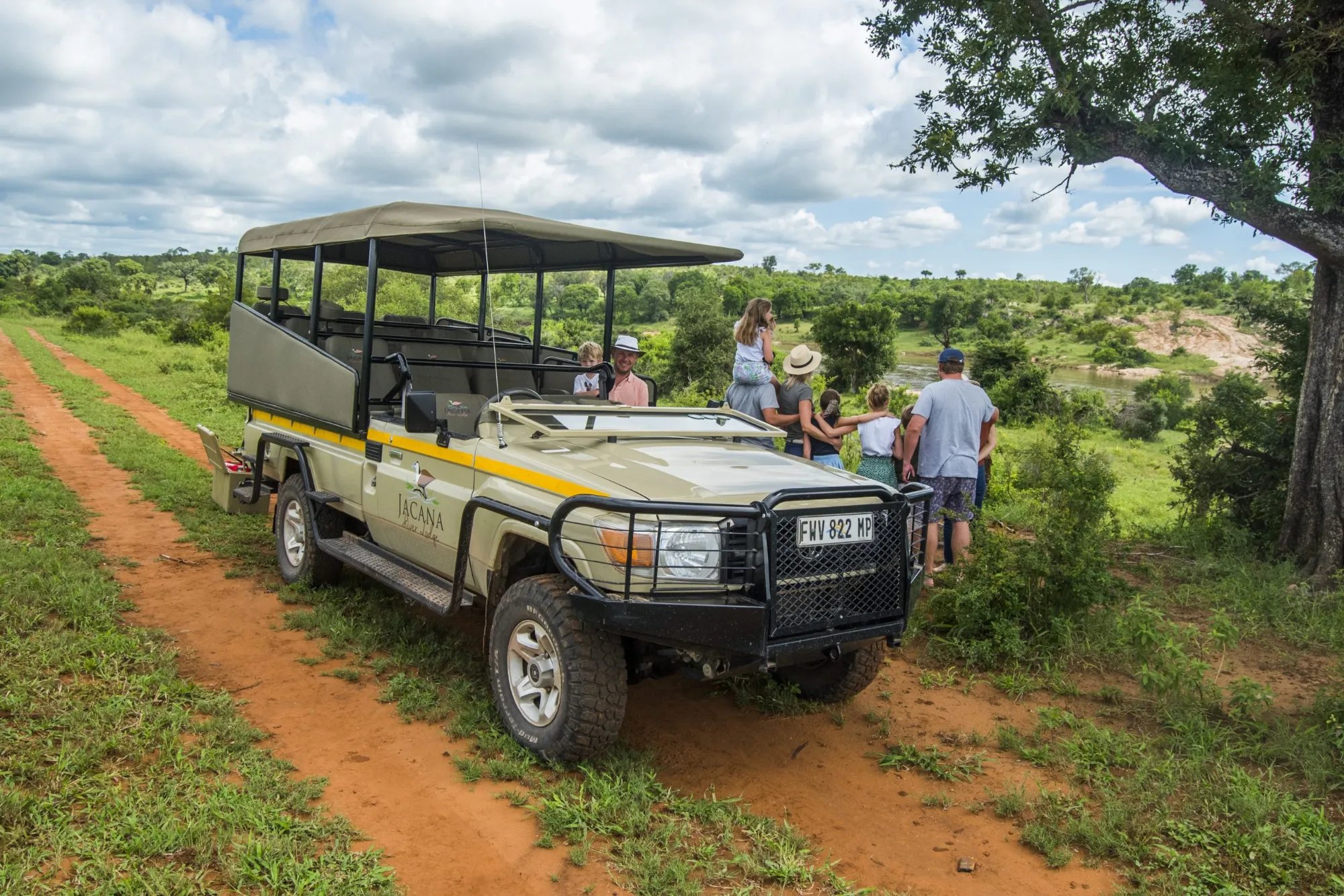 ActivitiesEverything to do from the lodge, in the reserve and beyond.
 Private Game DrivesThree-hour drives in the Mjejane in the lodge's 10-seater game viewer.
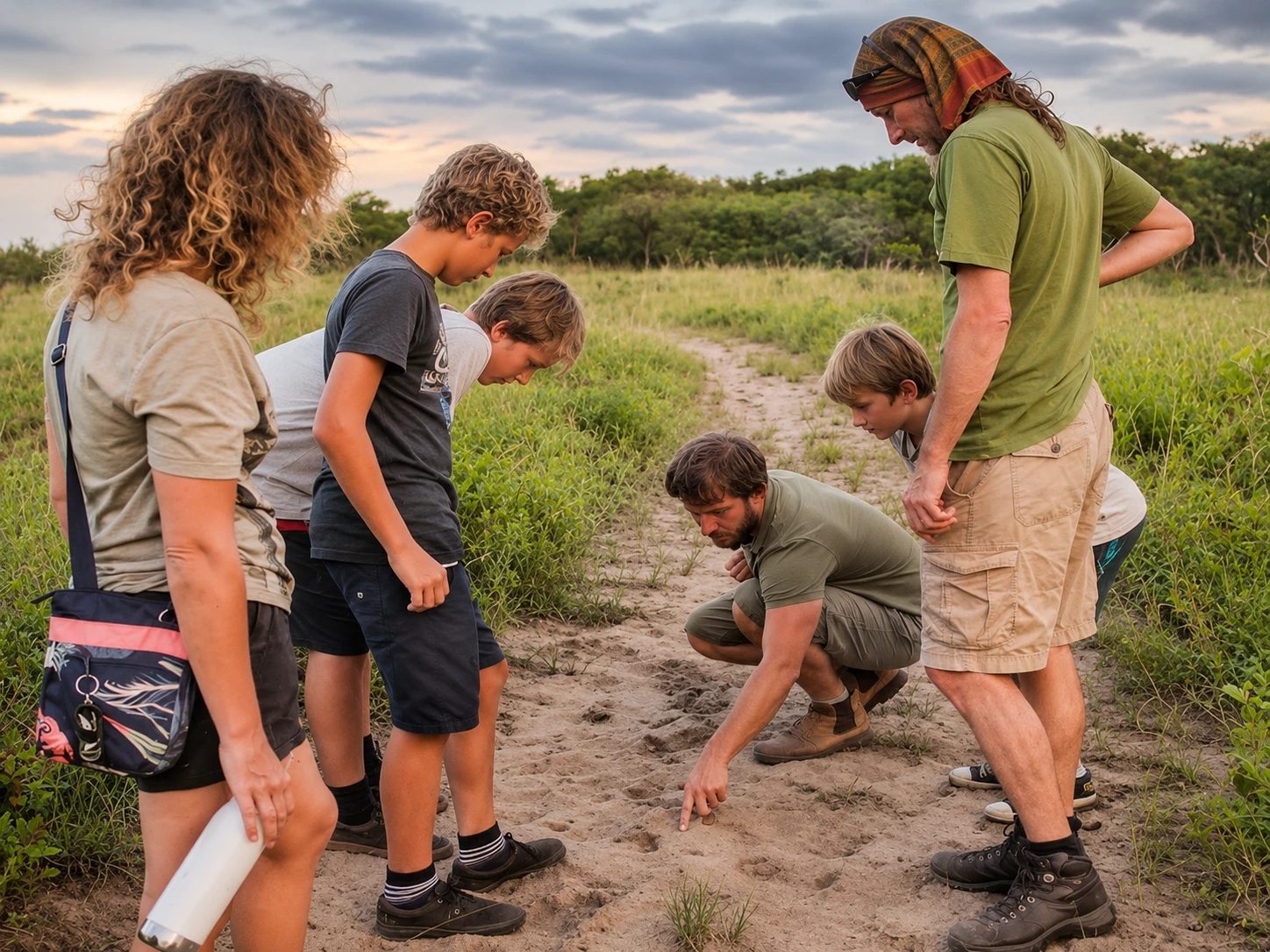 Guided Bush WalksWalking safaris in the Mjejane every Tuesday, Thursday and Saturday.
 Bush SpaMobile spa therapists who come to you at the lodge.
 KingslandWalking trails, three mountain-bike trails and a bush braai in the reserve.
 Kruger Tours & PackagesEvery Kruger and Panorama tour from the lodge, with packages compared.
 Day TripsGraskop Gorge Lift, Chimp Eden, Jabulani and the Panorama Route.