Big 5 Safari, South Africa: the Big Five of the Mjejane and Southern Kruger
Lion, leopard, elephant, rhino and buffalo roam freely between the Kruger National Park and the Mjejane, and you may even see them from the lodge.
Mjejane Private Game Reserve
The Big 5
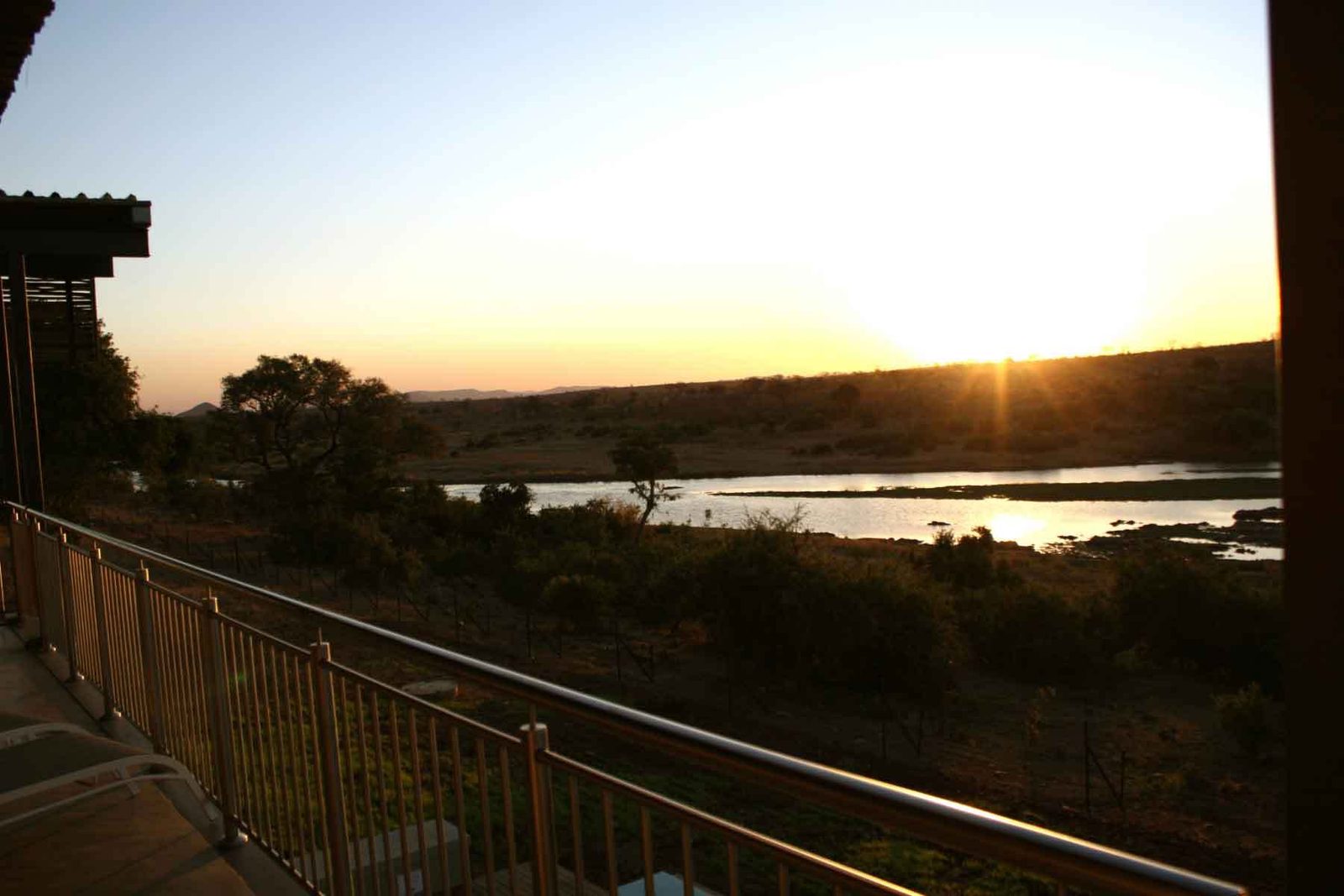
The legendary status of the Big 5 means they appear on just about every safari bucket list. When you visit the Mjejane Private Game Reserve you can see them all, perhaps even from the comfort of Jacana River Lodge, our self-catering game lodge on the banks of the Crocodile River.
The Mjejane at a Glance

Big 5 Kruger country: the Mjejane on the southern boundary
The Mjejane sits on the Kruger National Park’s southern boundary, between the Malelane and Crocodile Bridge gates. The Southern Kruger is famous for its rich wildlife population, and because the fences between the Mjejane and the Kruger have been removed, wildlife moves freely between the two, with only the Crocodile River as a slow-moving boundary. Straddling 11 km of the river, the 4000-hectare reserve is home to all of the Big 5.
Wildlife moves into the Mjejane from the northern parts of the Kruger as the grasslands become scarce towards the end of winter. The reserve is also a lot smaller than the Kruger and is not open to day visitors, so you can see all of the Big 5 without spending your whole holiday on the road, and without sharing your sightings with a crowd.

Why are they called the Big Five?
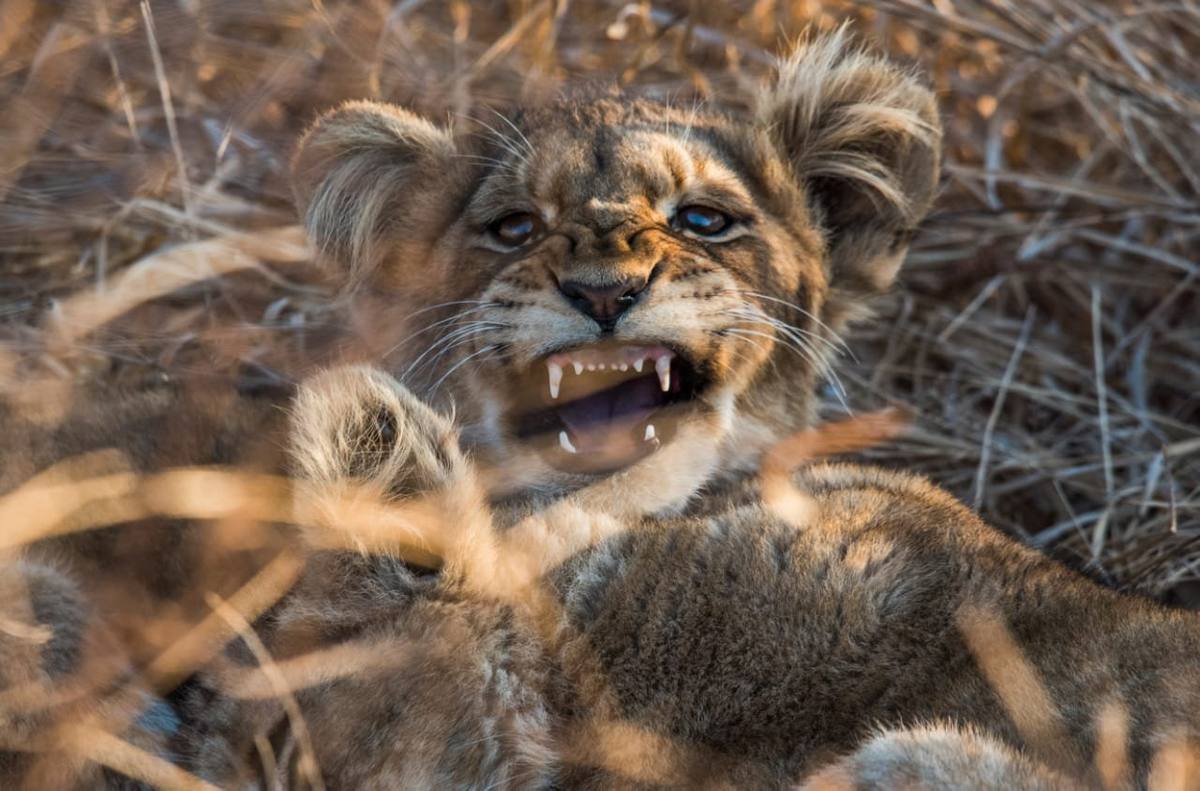
The name has nothing to do with size. It was given by hunters, mostly from Europe, who crossed the rough African terrain on foot with simple rifles. At the time these were considered the most dangerous animals to hunt, and the hunters often became the hunted. Today the Big 5 are a protected group of animals, which makes the name quite ironic.
Jump to: lion · leopard · elephant · rhino · buffalo · how to see them
Lion: the Mjejane pride
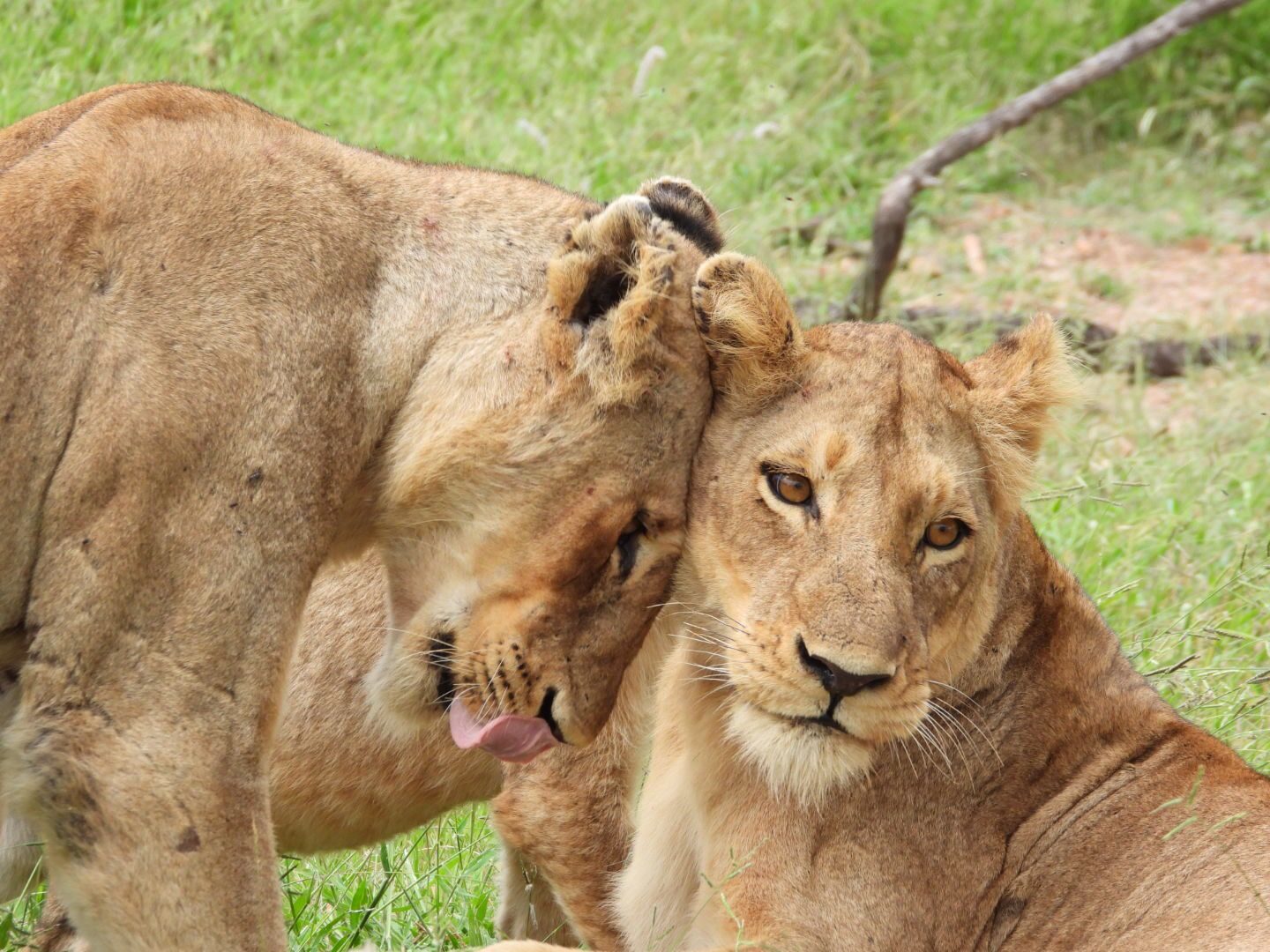
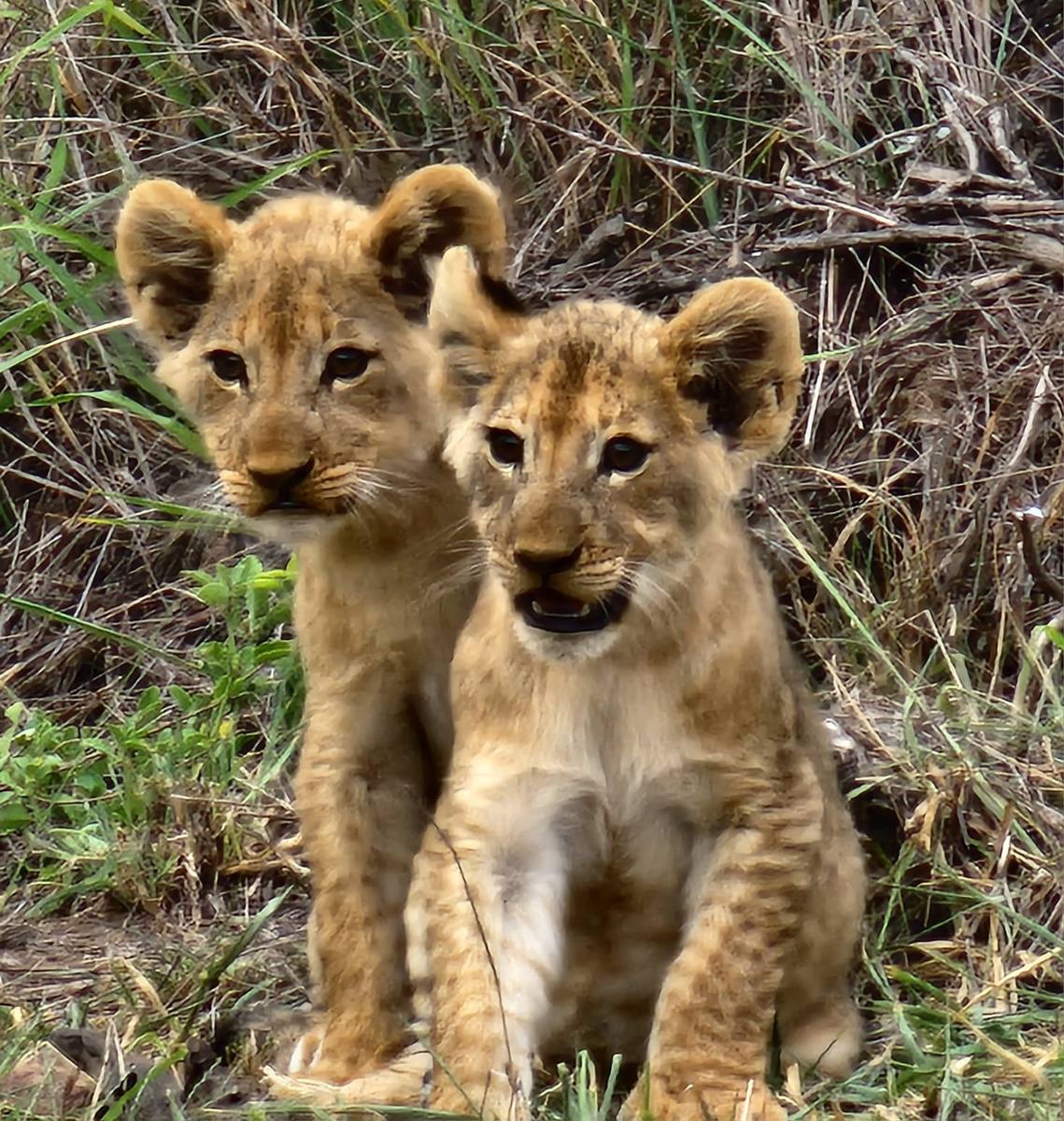
The mighty kings and queens of the Kruger savannah have made their way into the Mjejane, lured by the appealing scent of prey. Working in prides, lions are often spotted taking down prey along the Crocodile River, and they are occasionally seen with their cubs, which generally appear between February and April each year.
The reserve is home to a large pride of lions. When we wrote about the pride in September 2019 it was made up of 3 large males, 6 females and 16 cubs, and we were seeing the lions on a weekly basis. The cubs are very playful and even try their luck with the big males sometimes.
Lions can come quite close to the lodge, and at night you may fall asleep to their roar. Read more about our lion pride.
Leopard: at home in the riverine forest
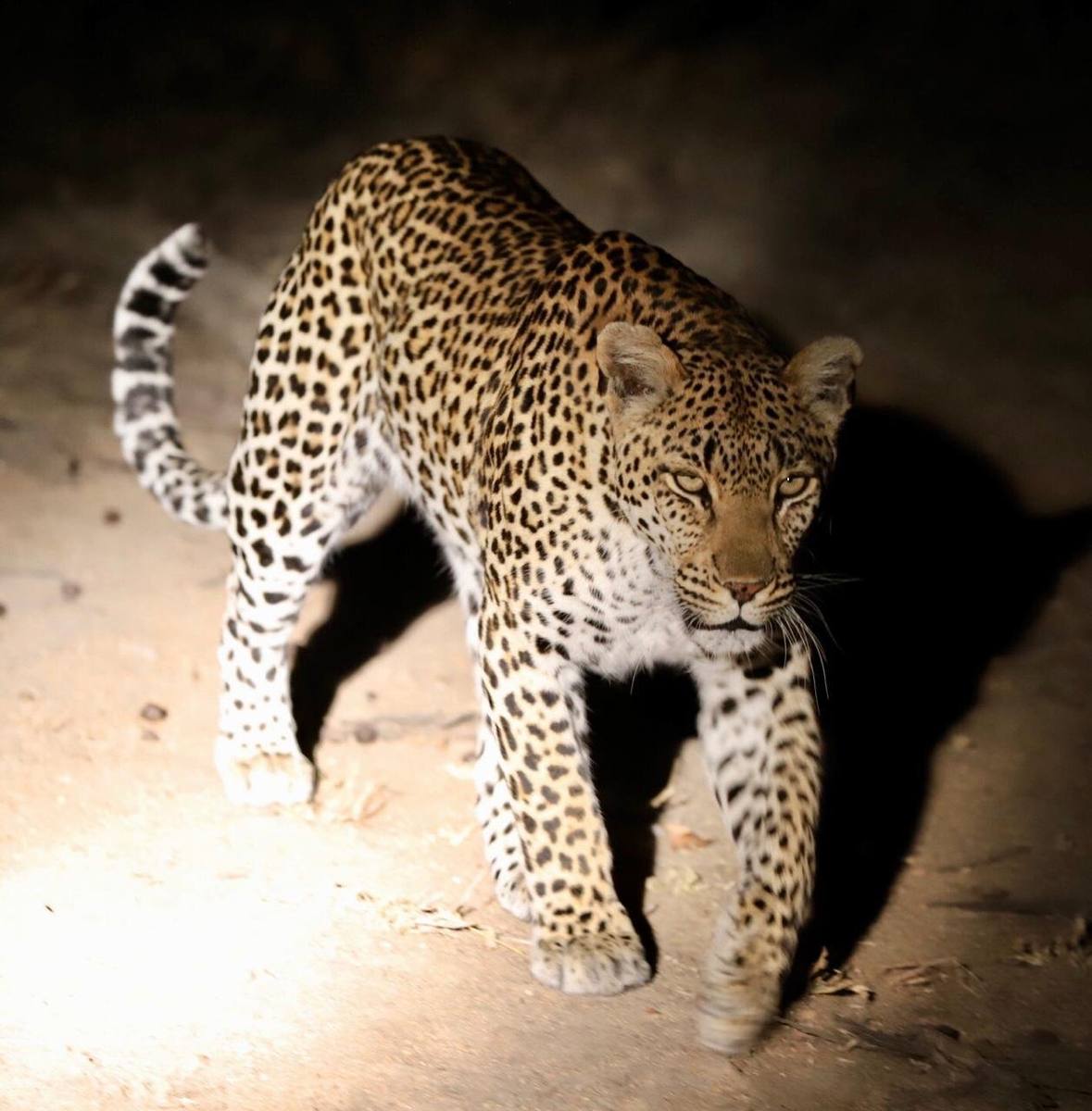
The leopard is at the top of many a wildlife sighting list, and yet for many guests it remains an elusive creature. The thick riverine forest along the Crocodile River is natural leopard habitat, and because the reserve is a lot smaller than the Kruger, guests in the Mjejane have a better opportunity to spot these quiet big cats.
The best way to see a leopard is to spend time close to the Crocodile River, where leopard populations are impressively big. Given Jacana River Lodge’s position on the river bank, spotting leopards here is quite common, if not an everyday event.
‘Notch Ear’ and her cub
Sometimes the magic comes to you. On 19 September 2020 guests filmed a female leopard, known to one of the rangers as ‘Notch Ear’, on the bridge to Erf 3 at Jacana River Lodge, feasting on her kill with one of her two almost-adult cubs nearby. Read the full story: an exciting night-time encounter with a leopard and cub.
Elephant: herds at the river
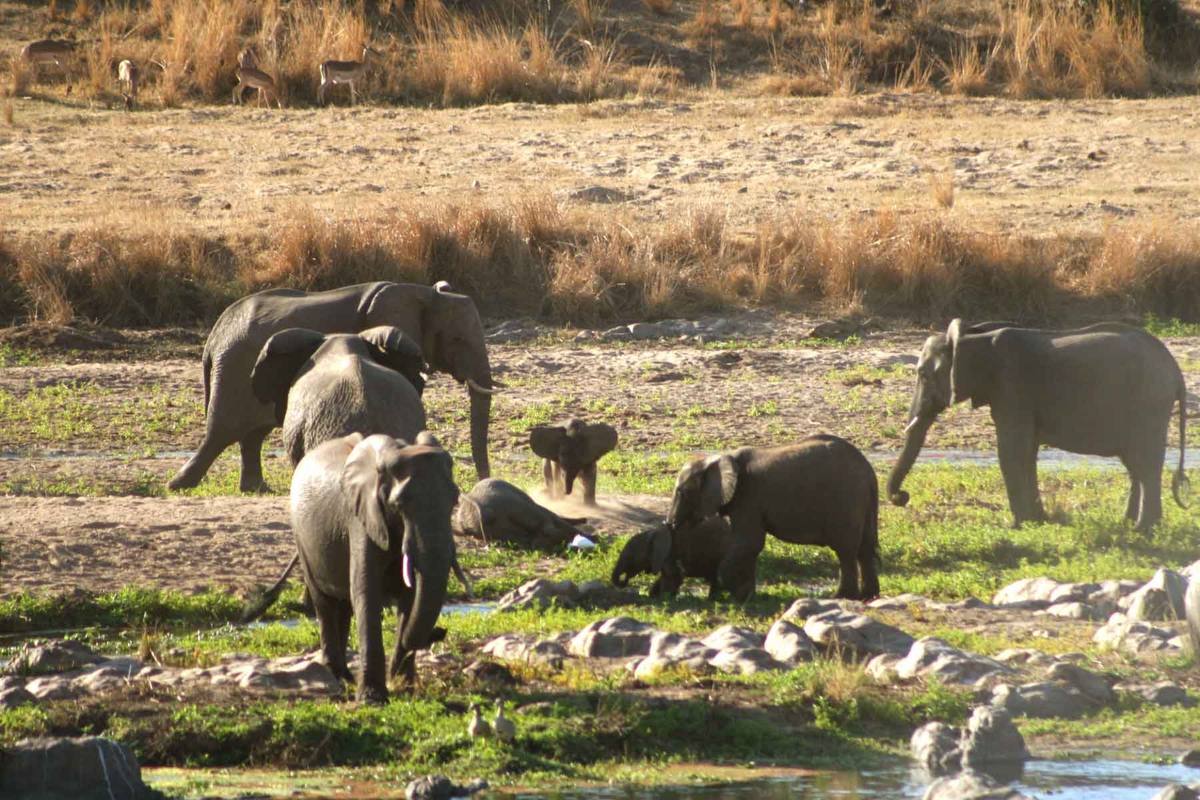
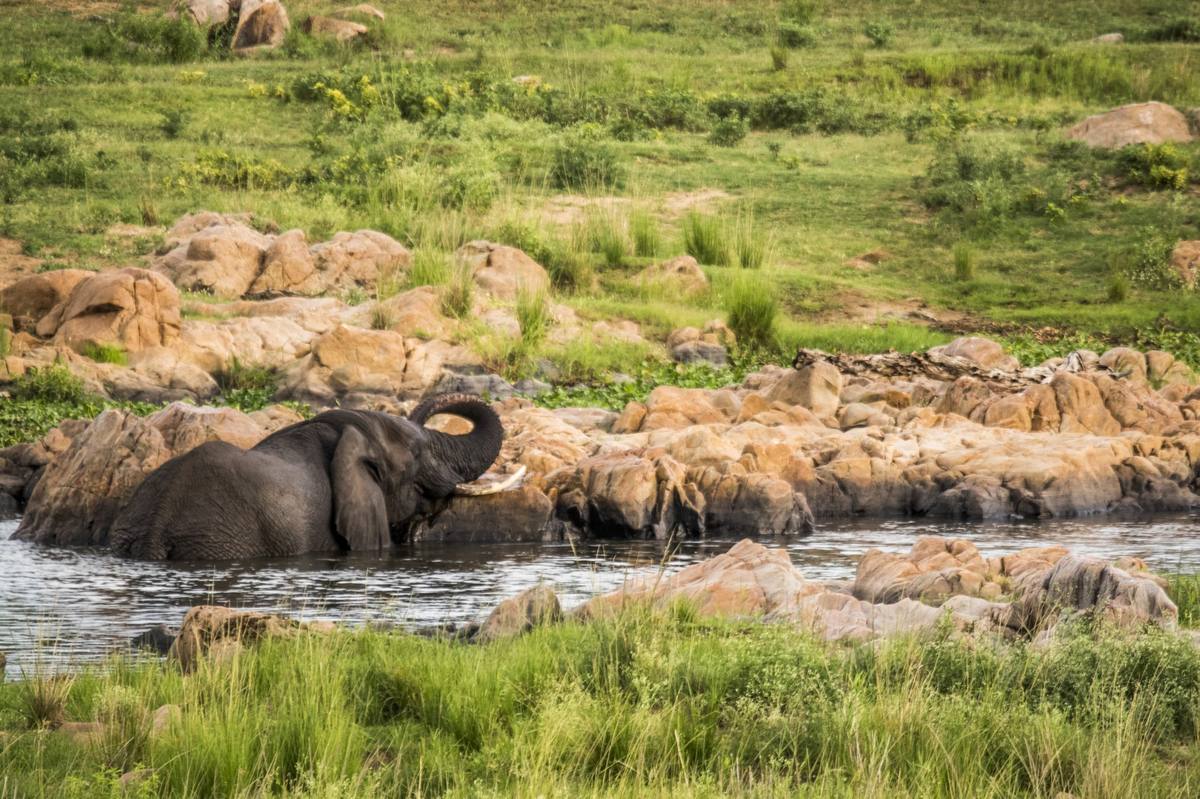
Some guests at Jacana River Lodge have had the luck of spotting elephants from the lodge swimming pool, while others see them out on safari. Before it became a game reserve, the Mjejane was primarily agricultural land, so the elephant herds have both a reliable food source and a large area of land to spread out across. When the elephants moved in, the land took a bit of a beating, but it has since recovered.
The elephants of the Mjejane live in matriarchal societies, and the herds are often spotted at the Crocodile River, where they can each drink up to 17 litres of water on each visit. Elephants also visit the Mjejane dam, a popular sundowner spot on the reserve.
“On our game drive we saw a large number of animals from giraffe to rhino. But my personal favourite was the African Elephant, we saw baby elephants running towards their mother as they realised that she had already walked a distance away from them.” Chadè Hill, guest
Rhino: white and black
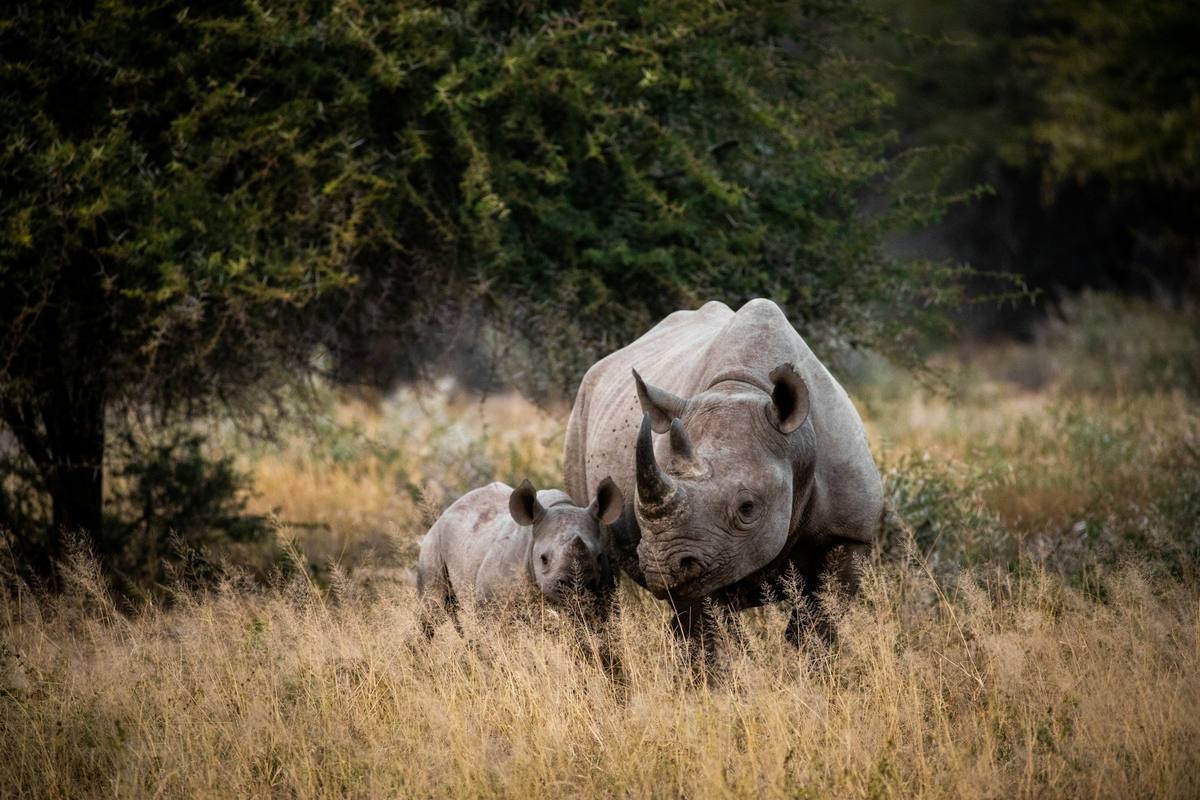
With so many hunters flocking to Africa, it didn’t take long for the white rhino population in the Lowveld to be hunted to extinction. In 1961, 337 rhinos were reintroduced to the area, and since then the populations have more or less flourished, although the ever-present danger of poachers has meant the Kruger and surrounding nature reserves have had to improve their security efforts.
The rhino of the Mjejane have crossed the river to make a home for themselves in the reserve. The reserve is also home to a few black rhino, although they are rather shy. Read more in unveiling the majesty of Mjejane’s rhinos.
“During our stay we saw Elephants, Leopards, Rhino and Lions, almost on a daily basis.” Madelien de Wet, guest
Buffalo: herds and lone bulls
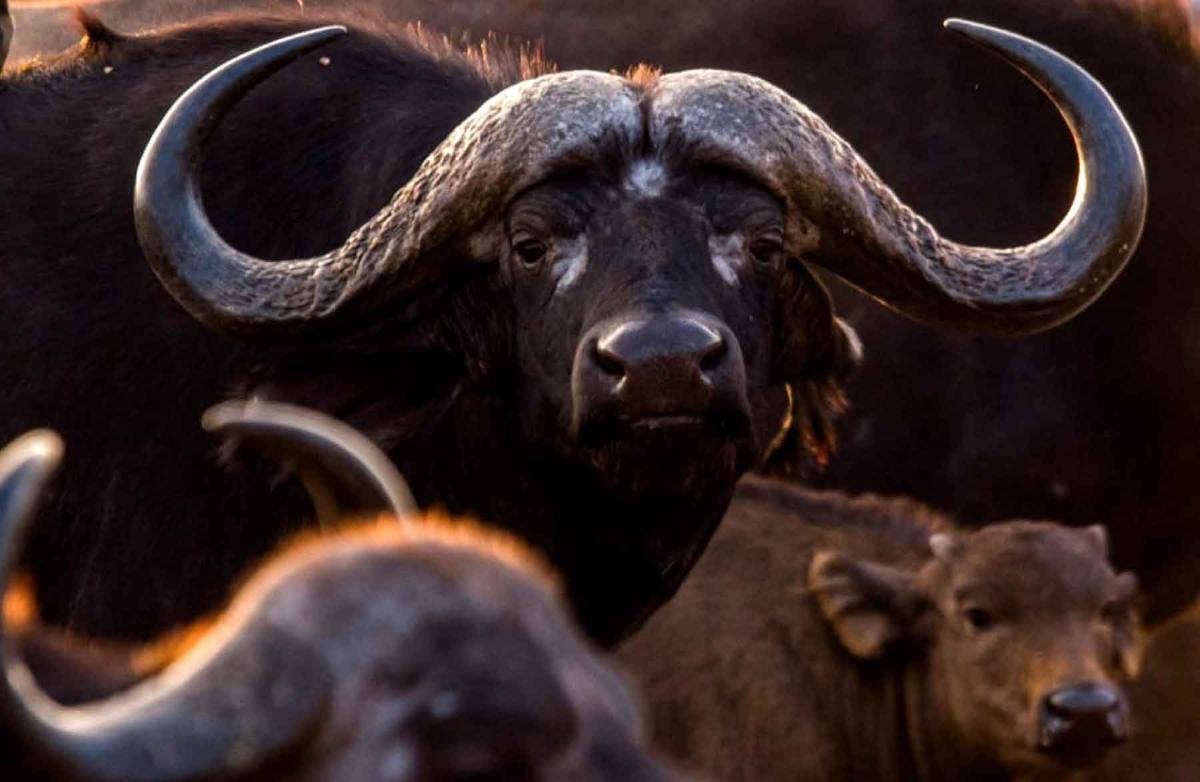
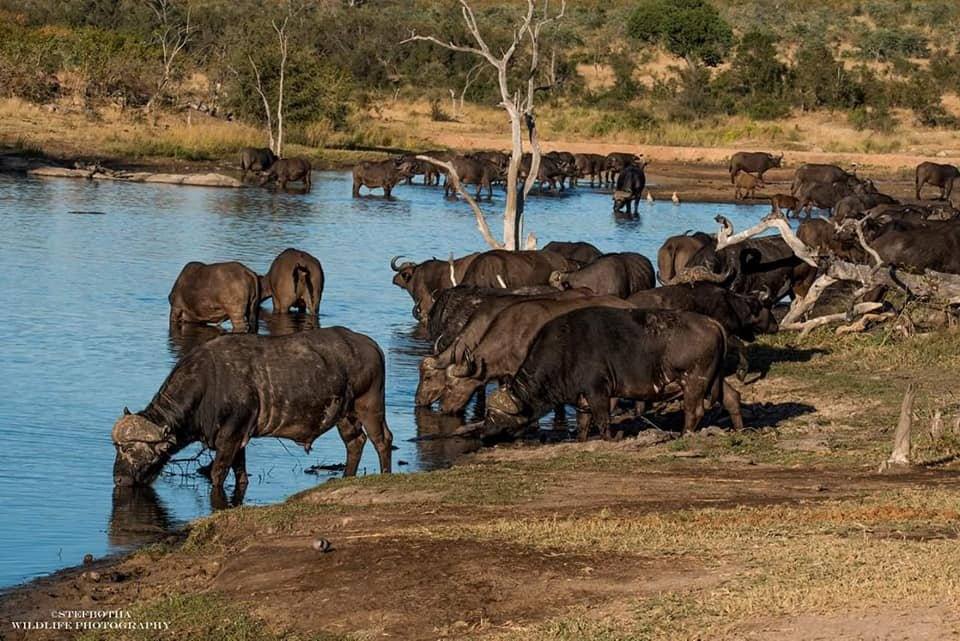
Like the other grazing animals seeking greener pastures, the Mjejane buffalo herds crossed into the game reserve in search of food and territory. They have proven to be a valuable asset to the conservation area, as they keep the grasslands maintained, which in turn opens the area to smaller antelope.
Buffalo live in large herds, but guests often see a lone buffalo, generally an older male now separated from the herd and living a bachelor lifestyle. Buffalo have a reputation for being aggressive, especially when they feel threatened, so enjoy every buffalo sighting from a safe distance.
“For game views: Mjejane has excellent possibility to see big 5 and game drives can be arranged for morning and evening.” Tripadvisor review, February 2020
On safari
How to See the Kruger Big 5 from Jacana River Lodge
Three ways to find the Big Five, and a word on timing.
Book Your Big 5 Safari Stay in the Mjejane
Jacana River Lodge is an exclusive-use, 5-star self-catering lodge that sleeps 10 in five en-suite king rooms, with an infinity pool overlooking the Crocodile River. 2026 rates start from R11 950 per night for the whole lodge.
From the deck and pool
Throughout the day, but especially in the mornings and late afternoons, animals of all kinds come to the Crocodile River to drink, giving guests at the lodge an unforgettable sighting. Leopards and elephants frequent the area, and the river attracts plains game such as antelope, wildebeest and buffalo. Wherever they roam, predators are never too far behind.
On a private game drive
Explore the Mjejane in our 10-seater game viewer: an approximately 3-hour drive from 07:00 or 16:00, at R2000 for a group of up to 10 people. Drives must be booked 3 days in advance and are offered only to guests staying at the lodge. Mjejane game drives
Into the Kruger National Park
Jacana River Lodge guests can book a full or half-day game drive in the Kruger Park directly with the lodge, in a vehicle that takes up to 10 guests. Rates exclude SANParks entry fees. Kruger game drives
In the right season
In winter the lack of dense bush makes wildlife sightings an incredibly common occurrence, so if you have a bucket list of wildlife you hope to see, it is the time to book. Summer brings thicker bush, new babies and dramatic storms. Best time to visit Kruger
Send Us an Enquiry
Interested in The Big 5? Send us your dates and our team will get back to you personally.
Explore the Mjejane
 Mjejane ReserveThe private reserve on the Kruger's southern boundary.
 Wildlife & SightingsWhat lives in the Mjejane and what guests have seen.
 Best Time to VisitThe seasons in the Mjejane and the southern Kruger.
 Mjejane BridgeThe Mjejane bridge into the Kruger, temporarily closed.
 Rules & SafetyThe lodge and reserve rules every guest signs.