
The Best Time to Visit Kruger: a Season-by-Season Guide
Every season brings something different to the Mjejane and the southern Kruger. Here is what to expect, from the banks of the Crocodile River.
Plan your safari
Best Time to Visit
Each month of the year, and each changing season, brings something new to the Mjejane Game Reserve and the Kruger National Park on its doorstep. Depending on the experience you hope to have, your ideal time to travel might look a little different to someone else’s. Choosing when to visit is not only about finding the “best” month; it is about deciding which version of the bush you want to experience.
2026 Lodge Rates
For the whole lodge (maximum of 10 guests). Peak season covers long weekends and school holidays. Rates subject to change; see rates & facilities.

When Is the Best Time to Visit Kruger National Park?
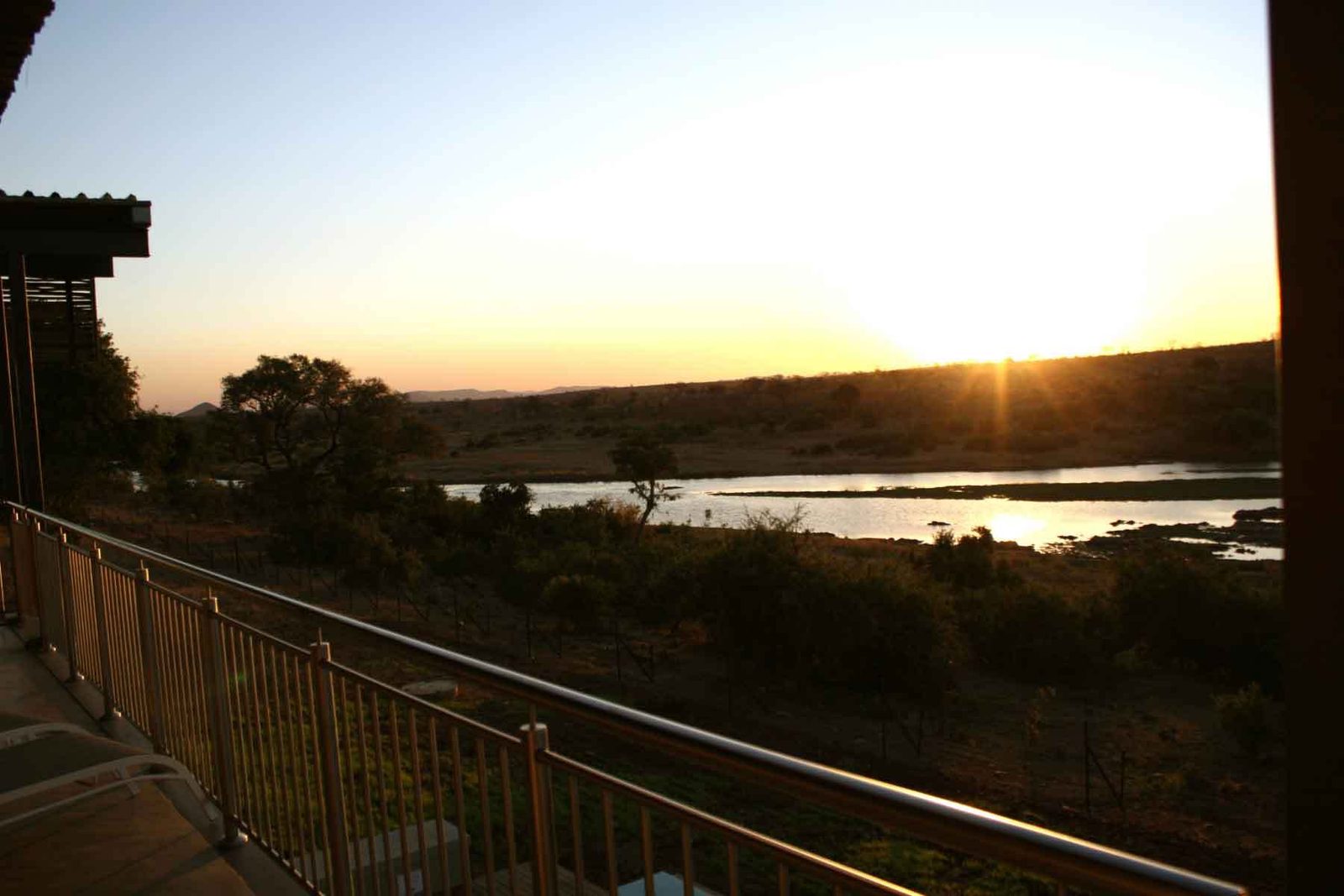
Generally speaking, the best time of year to go to the Kruger is considered to be June or July, when the grass is mostly dead and the heat is not overwhelming. The dry winter months (May to September) are generally the best time for wildlife viewing in the Mjejane: vegetation is sparse, and animals congregate around water sources such as the Crocodile River, which flows right in front of Jacana River Lodge.
Summer has rewards of its own: African thunderstorms, lush green bush, newborn animals and the return of the summer migrant birds. It is also hotter and more humid, and December is a notoriously busy time in the Kruger.
- Best for game viewing: winter, June to August, in the dry season (May to September)
- Best for birding: summer for the migrants; winter for raptors and altitudinal migrants
- Fewest mosquitoes: winter, when they take a hiatus
- Busiest in the Kruger: the December school holidays
- Lion cubs: generally appear between February and April
- Greenest bush: summer, after the rains

At a glance
Weather in the Mjejane and Southern Kruger, Season by Season
What the Mjejane looks and feels like through the year, from our own guides.
| Season | When | Weather | Bush & wildlife | Good to know |
|---|---|---|---|---|
| Summer | The rains generally arrive just before the December holidays | Highs regularly 34 to 42 °C, often with 80 to 100% humidity; thunderstorms gather from late morning and often break in the evening | Grass and bush thicken, so animals are harder to see; new babies are born to coincide with the green growth | Game drives early and late in the day; mosquito repellent (malaria area); summer migrant birds |
| Autumn | As the last rains fall; May is an autumn month | The heat retreats; May brings warm, sunny days (typically 26 to 30 °C) and cool evenings | Grasses die back and sightings at all times of day become the norm again; the bush starts to thin | Trees turn yellow, orange and red; evenings around the fire |
| Winter | June to August; the dry winter months run from May to September | Mild days, peaking at around 26 °C on a good day and 14 °C on a cold one; it barely ever rains; chilly mornings and evenings, sunny and sometimes windy | Barely a green leaf; animals gather at water such as the Crocodile River; sightings are incredibly common | Mosquitoes take a hiatus; June and July school holidays; pack layers, moisturiser and sunblock |
| Spring | Winter can turn into spring overnight in August and September | The heat comes quickly, with brighter early mornings and later sunsets; sudden cool spells; gentle first rains | The bush is still dry, so wildlife is easier to spot; new babies are born | Pack lighter clothing, plus a warm layer |
Month by Month in the Mjejane
| Month | What to expect in the Mjejane | Read more |
|---|---|---|
| December | Summer rains have generally arrived, with heat and evening thunderstorms. New babies are everywhere. The Kruger is notoriously busy over the school holidays, while the Mjejane is open only to overnight guests. | The Kruger in December |
| February to April | Lion cubs generally appear in the Mjejane between February and April each year. | Lions of the Mjejane |
| May | Autumn: warm, sunny days (typically 26 to 30 °C) and cool evenings. The heavy summer rains have mostly passed, the bush starts to thin and animals begin concentrating around the Crocodile River. | Why May is one of the best months |
| June | Early in the dry winter season. Mild days (22 to 28 °C) and crisp, cool evenings; vegetation thins and animals gather at the river. School holidays. | Why June is a great time |
| July | Peak winter safari season and the heart of the dry season. Warm, sunny days (22 to 27 °C) with cool, fresh mornings and evenings. School holidays. | Why July is one of the best months |
| August | Deep into the dry season; by the middle of the month winter is moving towards spring. Pack some lighter clothing. | Why August changes the safari |
| September | The end of winter: wildlife moves in from the northern Kruger as the grasslands there become sparse, and winter can turn into spring overnight. | The Mjejane wildlife community |
Winter: the Best Time to Go to Kruger for Game Viewing
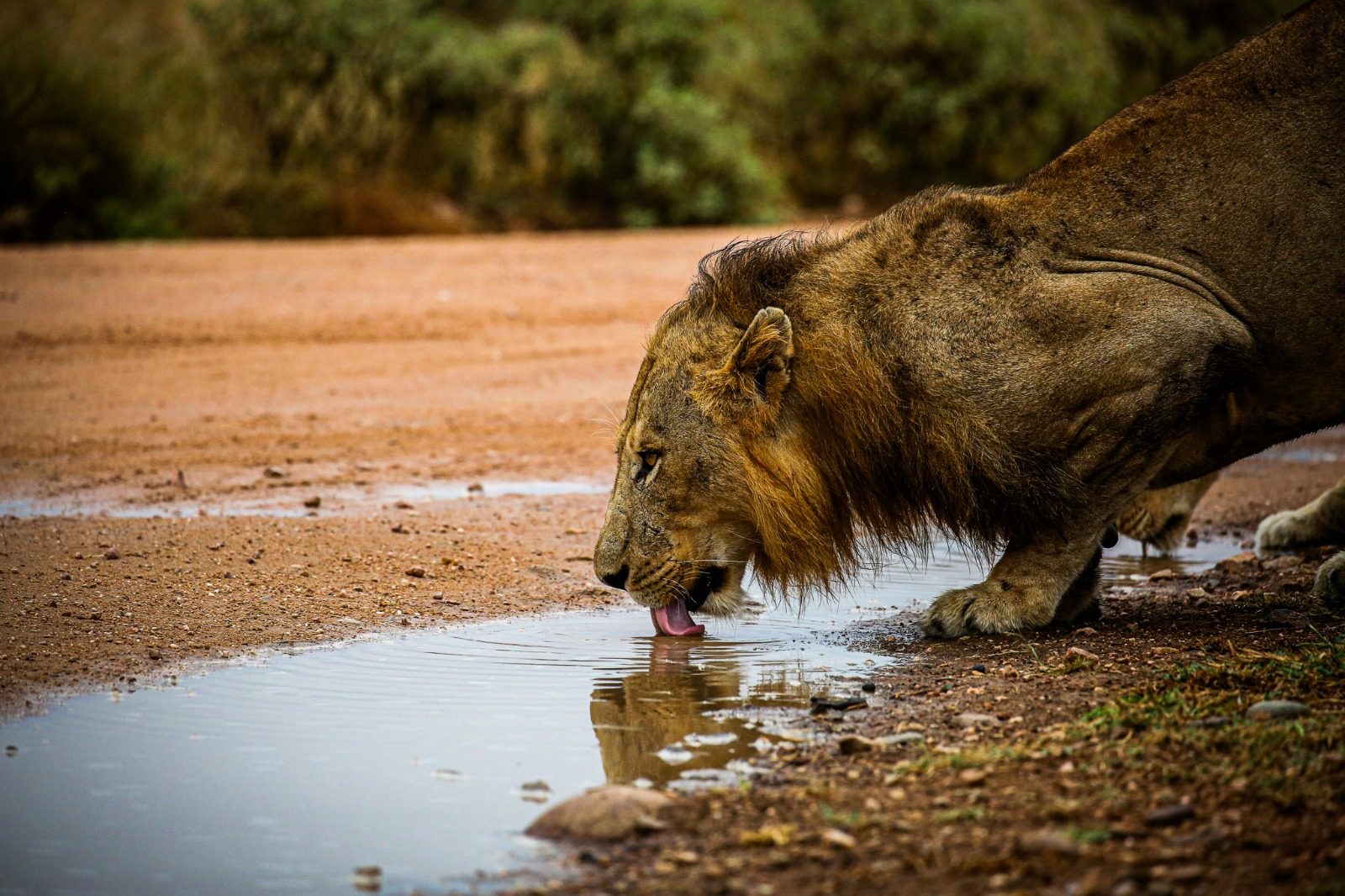
The days are mild, peaking at around 26 °C on a good day and 14 °C on a cold one. The earth is so dry that there is barely a green stem or leaf in sight, and wildlife can be seen in great numbers close to water and near the plants and trees that keep their greenery. The days might be shorter, but many consider this the very best time of year to visit the Mjejane.
The lack of dense bush makes wildlife sightings an incredibly common occurrence, so if you have a bucket list of wildlife you hope to see, this is the time to book. Depending on where you stay, you can expect to see animals right up close to your accommodation. Towards the end of winter, wildlife also moves into the Mjejane from the northern parts of the Kruger as the grasslands there become sparse.
More about Winter: the Best Time to Go to Kruger for Game Viewing
It barely ever rains at this time of year, and there is certainly no chance of snow, but bring extra moisturiser for when the wind kicks up, and sunblock, because our winters are always sunny. Mornings and evenings can be chilly, so pack layers. For many visitors the mosquitoes are another reason to come in winter: they take a hiatus in the colder months. June and July also fall in the school holidays.
If you are travelling late in the season, remember that in the Mjejane winter can turn into spring overnight, so lighter clothing is a must in August and September.
Autumn: the Shoulder Season
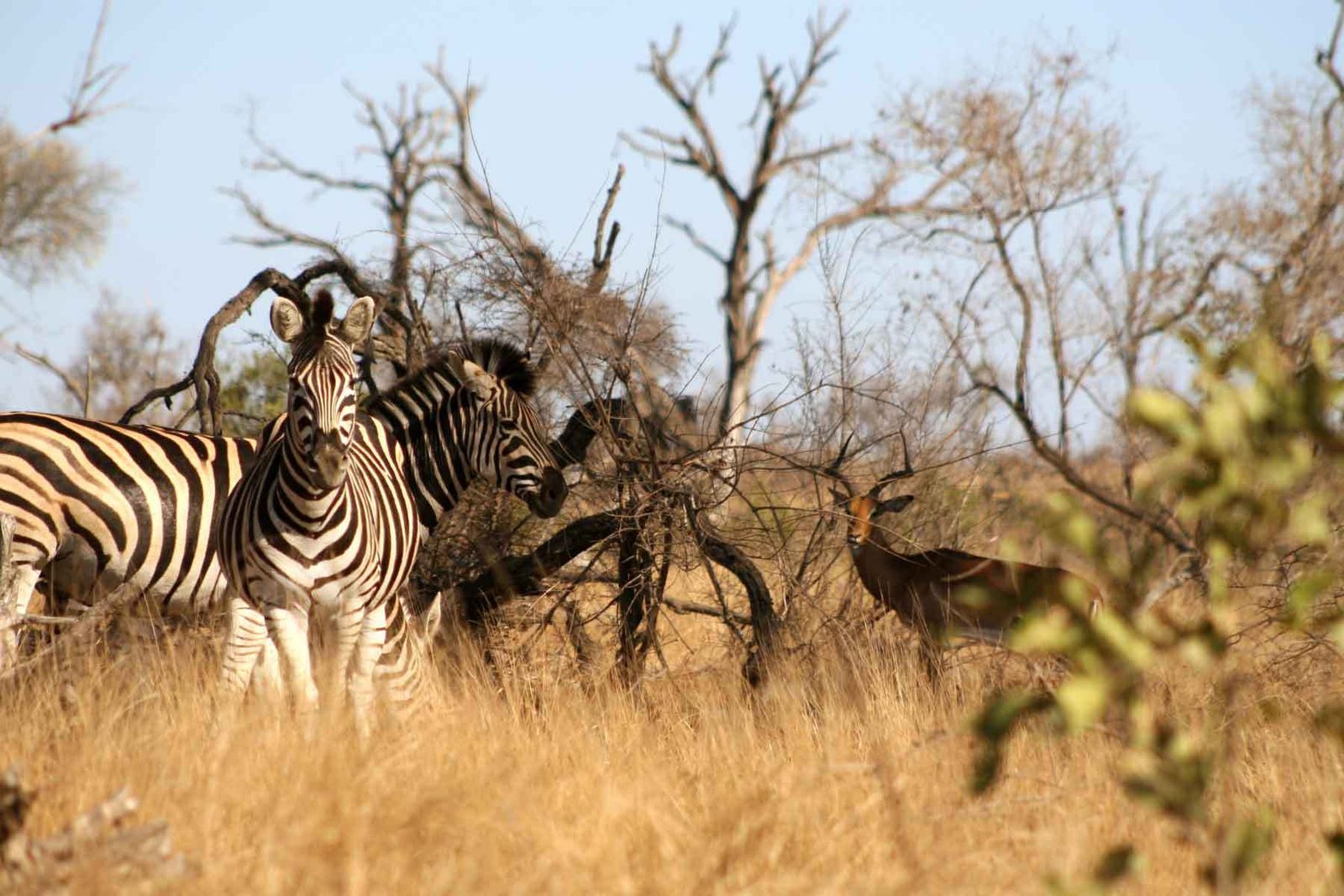
As the last of the rains fall and the heat quickly retreats, a rich, dry, earthy smell fills the air. Autumn is considered one of the best times of the year to visit because it is not so hot, and as the grasses die back and animals are no longer sheltering from the heat, wildlife sightings at all times of the day become the norm again. The deciduous trees turn soft yellow, bright orange and deep red, and the evenings are made for sitting around a fire.
In May, days are typically 26 to 30 °C with cool, comfortable evenings, and the heavy summer rains have mostly passed.
Spring: New Life in a Dry Bush
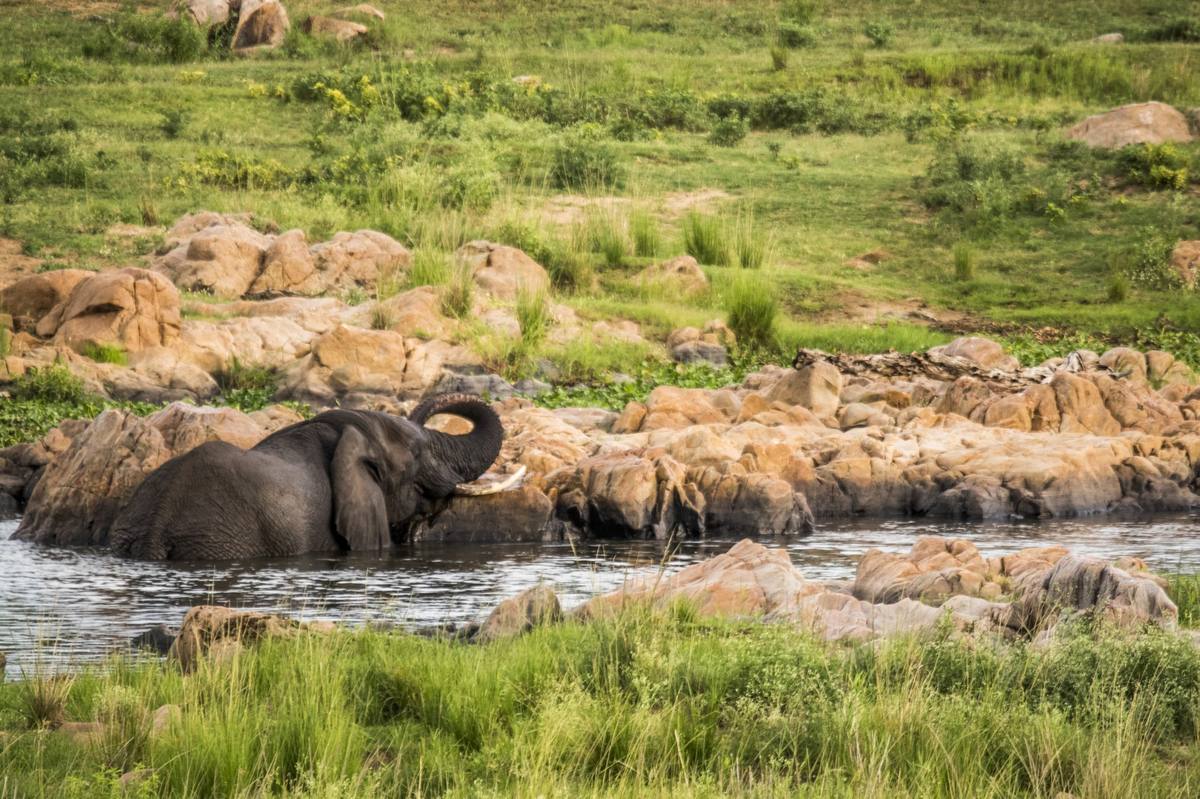
Buds form and bloom, the gentle first rains dampen the parched earth, and the new babies are born. In Africa, spring can feel like the middle of summer on some days: the heat comes quickly, with brighter early mornings and a later sunset, giving you more time outdoors. Bring a warm layer for the sudden end-of-winter cool spells that sometimes return.
Because the intense summer rains and storms have not yet arrived, the bushveld is still quite dry, which makes wildlife much easier to spot. Once the rains arrive, the bush becomes dense and overgrown.
Summer: Storms, Green Bush and Newborns
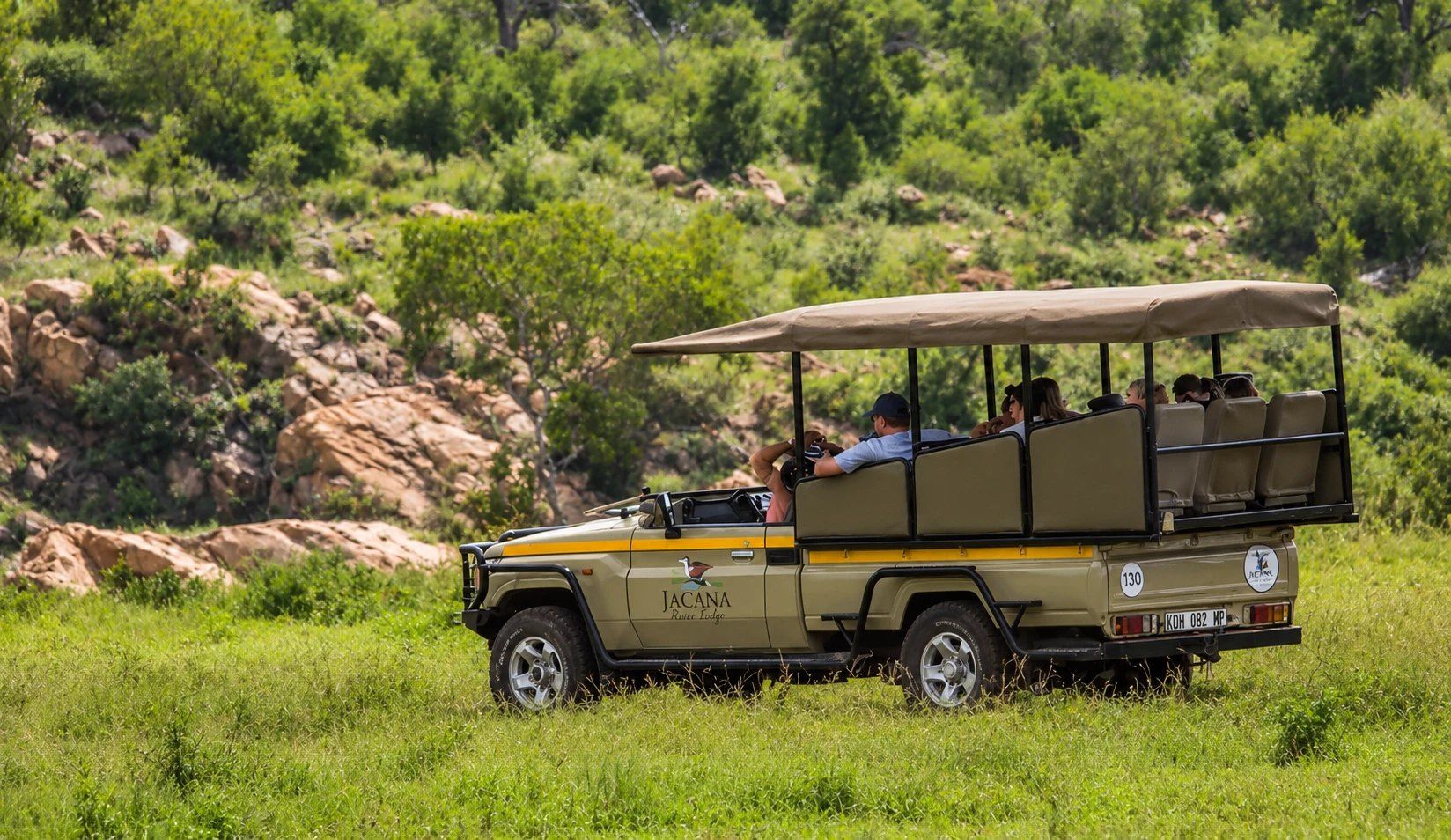
Summers in the Mjejane bring something you won’t experience at any other time of year: thunderstorms. Storm clouds begin to gather in the late morning, and in the distance the lightning begins its dance. With the rains come more humidity and the thickening of grass and bush.
Days regularly reach highs of 34 to 42 °C and are often blanketed in 80 to 100% humidity, so keep game drives for the early mornings and late afternoons, when animals are not hiding from the heat. With good planning, and accommodation with air-conditioning and a swimming pool, summer can be a wonderful season in the reserve.
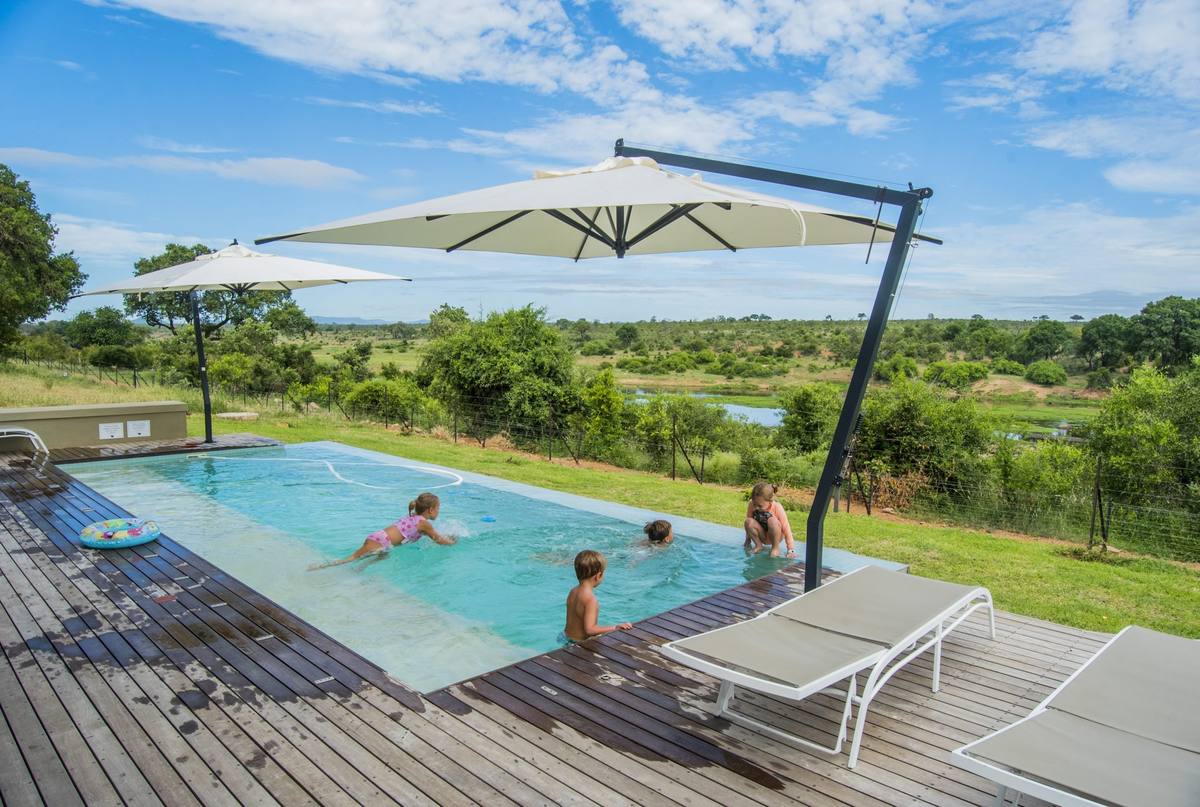
The Kruger in December
After a long, dry winter, the summer rains generally arrive just before the December holidays. The greenery quickly envelops every bush and tree, the grass grows lush, there are flowers everywhere, and the wildlife begins birthing the next generation. December brings heat with the heavy rains, and the summery weather is often broken in the evening by a tremendous thunderstorm.
December is a notoriously busy time to visit the Kruger, because it falls in the school holidays. The Mjejane, by contrast, is open only to those staying in the reserve, so you can have a Kruger-like safari on quiet roads, and book a guided full- or half-day drive into the Kruger itself. Read our full guide to the Kruger National Park in December.
The Kruger, including the Mjejane, falls in a malaria area, so pack mosquito repellent in the hot summer months.
Birding Through the Seasons
Birds are constantly moving through the Mjejane. Guide Mario Paul finds the summer months the most exciting, “as this is when all the summer migrants are back on the reserve”, with birds such as Broad-billed Rollers, European Rollers, European and Carmine Bee-eaters and Lesser-spotted Eagles.
Winter offers great birding too. The migrants have moved off, but African Hawk Eagles are much more common, altitudinal migrants such as the Narina Trogon move down into the reserve, and with far less foliage the birds are easier to spot. As Mario puts it: “Doesn’t matter at what time of the year you are coming, there will always be some interesting birds around to see.” See our Mjejane birding guide.
Our Month-by-Month Safari Guides
Planning around a particular month? These posts from the lodge go into more detail.
- May: why May is one of the best months for a family self-catering safari
- May: what to expect on a May family safari
- May: 5 reasons families love self-catering at Jacana in May
- June: why June is a great time to book
- June: 6 reasons to book a June family safari
- June: planning a private June safari
- July: why July is one of the best months for a family safari
- July: booking a July family safari
- August: why August changes the safari
- Winter: why June to August is the best time to visit
- December: the Kruger National Park in December
- All year: the best times and places to spot the Big Five
Send Us an Enquiry
An exclusive-use, 5-star self-catering lodge for up to 10 guests on the banks of the Crocodile River, in the Mjejane Private Game Reserve on the Kruger’s southern boundary. Rates & Facilities Big 5 in the Mjejane
Explore the Mjejane
Mjejane ReserveThe private reserve on the Kruger's southern boundary.
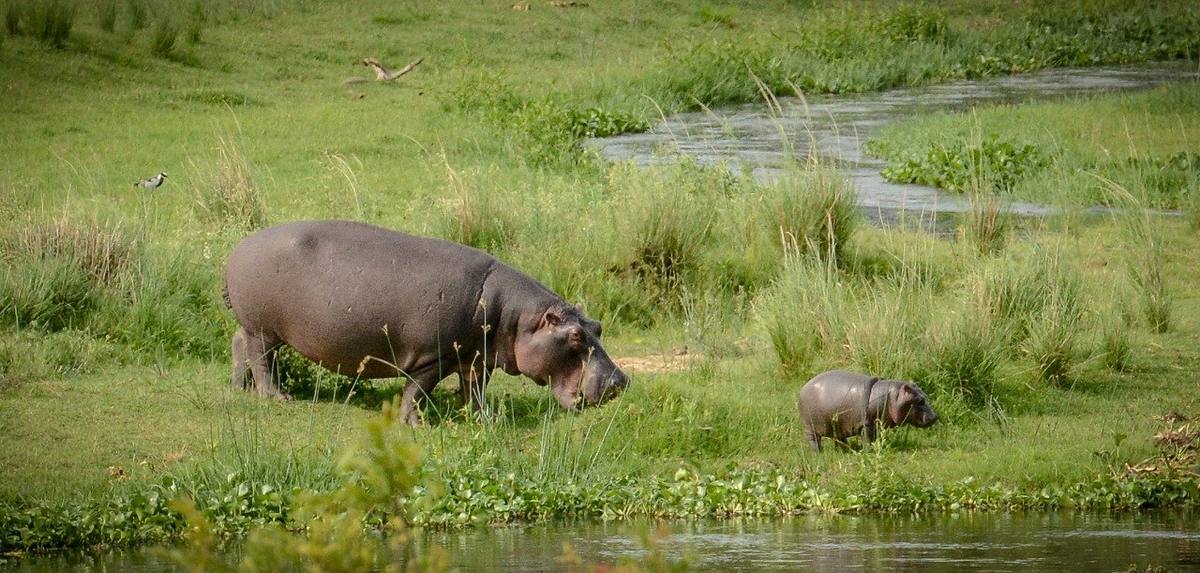 Wildlife & SightingsWhat lives in the Mjejane and what guests have seen.
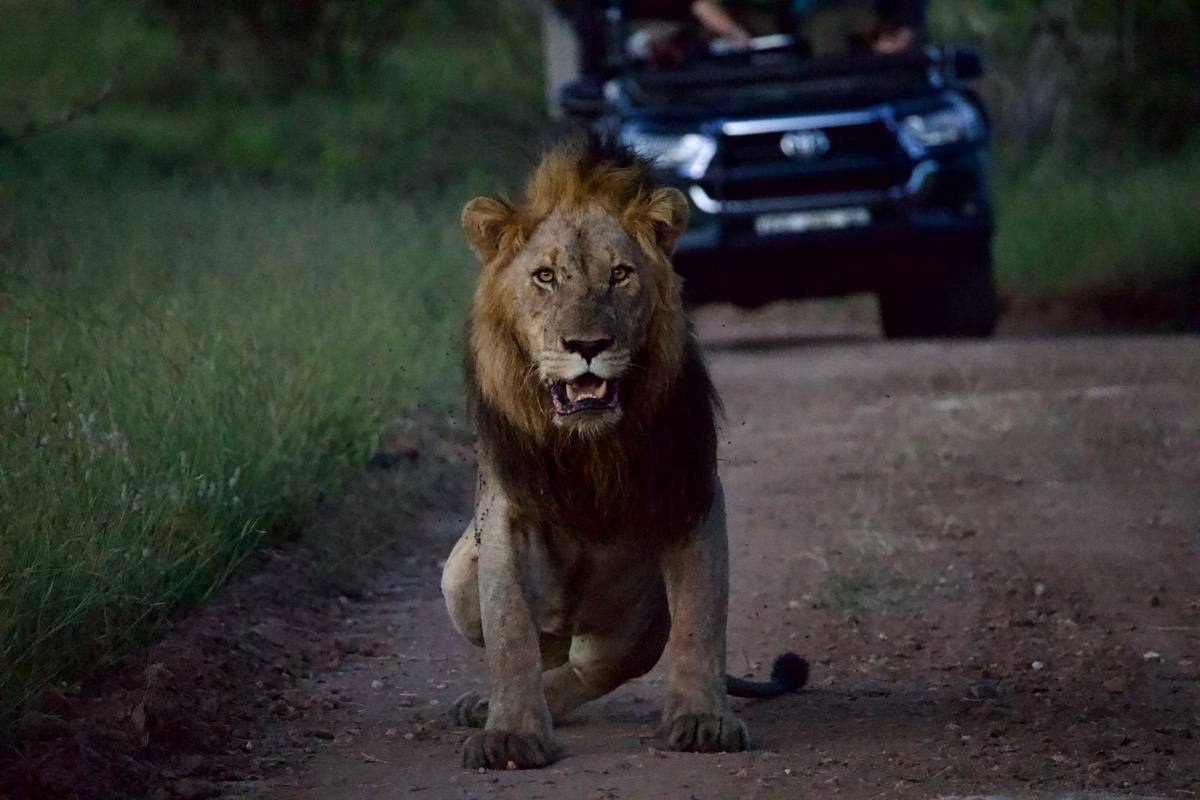 The Big 5Lion, leopard, elephant, rhino and buffalo in the Mjejane.
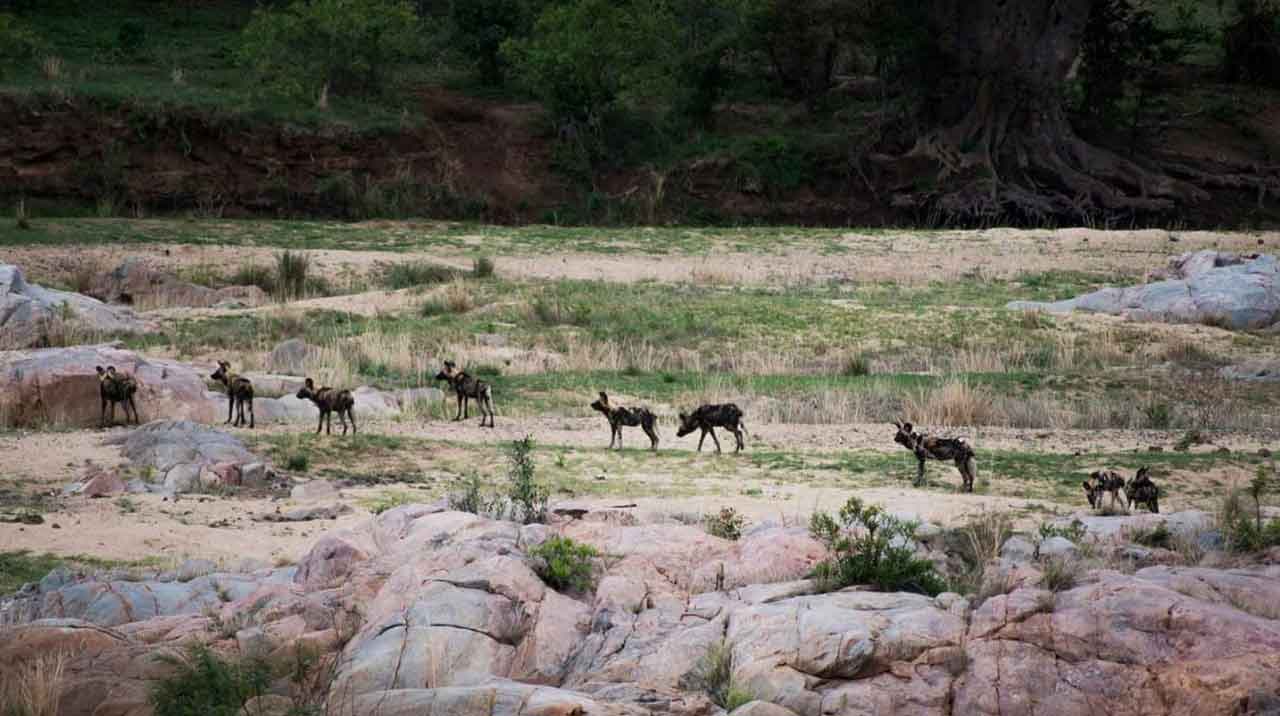 Mjejane BridgeThe Mjejane bridge into the Kruger, temporarily closed.
 Rules & SafetyThe lodge and reserve rules every guest signs.