What Kids Really Learn on Safari: The Hidden Educational Benefits of a Family Holiday in Mjejane Game Reserve
When most parents think of a safari holiday, they imagine excitement, wildlife sightings, sunsets on the deck, and treasured family memories. But a safari—especially one done at a private, exclusive-use lodge like Jacana River Lodge in Mjejane Game Reserve—is far more than a holiday. For children, it is one of the most powerful learning experiences they can have outside of a classroom.
A safari engages a child’s mind, senses, curiosity, and emotions in a way that no screen, textbook, or urban environment ever could. From ecological awareness to emotional intelligence, patience, and observational skills, kids develop life-long competencies without even realising they’re learning.
Mjejane Game Reserve, located along the Crocodile River and forming part of Greater Kruger, is one of the safest and most controlled environments to give children a deep connection with nature. And when staying at an exclusive-use, luxury self-catering lodge near the Kruger National Park—like Jacana River Lodge—families have the freedom to set their own rhythm, explore at their own pace, and create teaching moments effortlessly throughout the day.
Here’s what children truly learn on safari, and why so many parents are choosing Mjejane Game Reserve for their school holidays.
1. Safari Teaches Kids to Slow Down, Observe, and Appreciate Details
Children today grow up in a high-stimulation world—TV, tablets, phones, instant entertainment. A safari environment shifts them into a different pace entirely.
At Jacana River Lodge, kids learn naturally to:
- sit quietly and wait
- listen for distant sounds
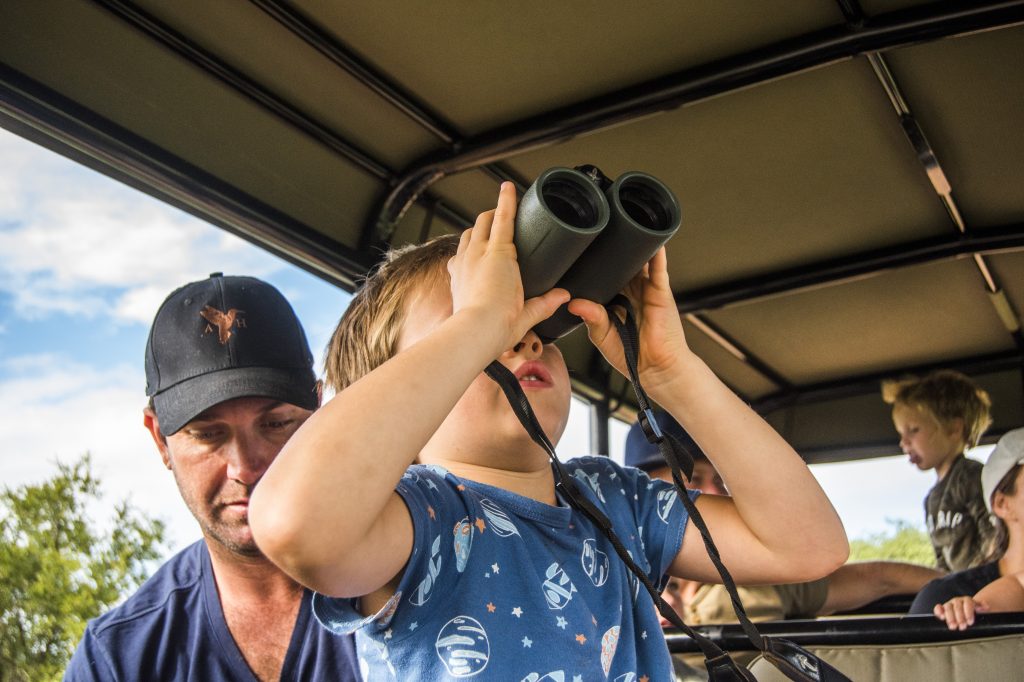
- notice tracks in the dust
- recognise animals by movement
- understand the connection between the river, food, and survival
This teaches mindfulness and concentration—skills that support academic performance, emotional regulation, and deeper thinking.
A safari also encourages curiosity. Children begin asking questions like:
- “Why do elephants flap their ears?”
- “Why do predators hunt at night?”
- “Why do hippos stay in water during the day?”
Each answer becomes a building block in their understanding of the natural world.
2. Wildlife Encounters Develop Emotional Intelligence and Empathy
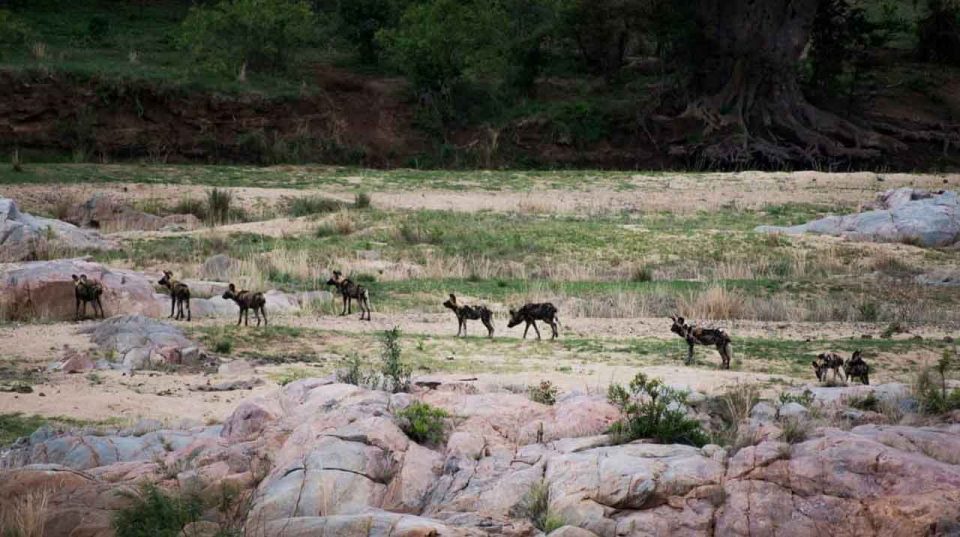
There is something transformative about watching elephants interact as a family, observing how giraffes move in harmony, or seeing a mother impala protect her young. These moments shape empathy in children more deeply than any picture book ever could.
Mjejane Game Reserve is home to:
- elephant breeding herds
- hippo pods
- countless antelope species
- birdlife that children find fascinating
From the deck at Jacana River Lodge, kids witness animals caring for one another, solving problems, cooperating, and navigating survival challenges. It helps children understand emotional behaviour—not just in animals but in people.
Safari teaches:
- empathy
- respect for living creatures
- responsibility
- an understanding of ecosystems and interdependence
3. Safari Builds Confidence, Independence, and Resilience
The bush is unfamiliar terrain—and that’s exactly why it is so valuable for children.
When kids explore a new environment, learn safety rules, and experience guided adventure, they build confidence in ways that structured urban life cannot offer.
Children gain resilience through:
- early morning wake-ups
- long periods of quiet waiting
- dealing with unexpected sightings
- learning bush safety
- adapting to nature’s rhythms
Jacana River Lodge’s exclusive, fenced environment gives parents peace of mind while giving kids room to explore safely—perfect for ages 4–18.
4. Family Bonding Strengthens Through Shared Discovery
School holidays often become chaotic: screen time, malls, play centres, rushed activities. A safari, especially in a private game lodge in Mpumalanga, creates a different type of bonding—slow, intentional, and deeply connective.
At Jacana River Lodge, families bond through:
- spotting animals together from the deck
- swimming in the rim-flow pool and watching elephants below
- evening fireside conversations in the boma
- cooking shared meals in the self-catering kitchen
- star-gazing under the clear Lowveld sky
These moments open space for meaningful conversations. Kids ask bigger questions, share excitement, and feel more connected to their parents in a relaxed, pressure-free setting.
5. Safari Teaches Real-World Science Without Feeling Like School
The bush is the world’s most exciting outdoor classroom.
Children learn:
- Biology: animal behaviour, diets, lifecycles, predator-prey relationships
- Geography: ecosystems, rivers, climate, vegetation
- Physics: motion, sound travel, camouflage
- Conservation: endangered species, human impact, anti-poaching
Because Mjejane Game Reserve borders the Kruger National Park, kids can explore:
- river ecology
- identification of tracks
- bird species recognition
- how natural systems support one another
They absorb this knowledge naturally, through immersion—not memorisation.
6. Safari Helps Kids Break Technology Dependence
Away from Wi-Fi, video games, and constant notifications, children rediscover simple joys like:
- drawing animals on the deck
- playing board games
- building fires in the boma (with adults)
- reading wildlife guidebooks
- photographing sightings
- journaling safari experiences
Parents regularly comment on how quickly their children “detox” from screens when staying at Jacana River Lodge, engaged instead by real-world adventure.
7. Mjejane’s Safety and Privacy Gives Parents Freedom to Relax
Not all safari destinations are equally family-friendly. Mjejane Game Reserve is one of South Africa’s safest Big 5 environments due to:
- controlled access
- secure, fenced lodge areas
- well-maintained roads
- low traffic
- professional conservation management
Jacana River Lodge adds another layer of security—exclusive-use accommodation where no strangers share the space.
Parents can finally relax, knowing:
- kids can run freely inside the lodge space
- the pool area overlooks wildlife but is safely elevated
- bedrooms are close together
- the deck is secure
- self-catering allows for flexible meal times
This creates a school holiday environment where parents rest while children flourish.
8. Safari Creates Lifelong Memories and Transforms Perspectives
Children who go on safari remember it forever. They remember:
- waking up to elephants outside their bedroom
- watching a hippo blow water into the air
- hearing lions at night
- seeing stars like never before
- cooking marshmallows around the fire
These moments shape their view of the planet, wildlife, and themselves.
Safari transforms children by helping them:
- appreciate nature
- become environmentally conscious
- feel awe and gratitude
- understand life beyond city walls
A Safari at Jacana River Lodge Is More Than a Holiday — It’s Growth
A safari at Jacana River Lodge is not just a getaway. It’s a powerful educational experience that shapes a child’s emotional, intellectual, and social development.
Families choose luxury self-catering accommodation near the Kruger National Park because it offers space, flexibility, privacy, and the rare opportunity for children to learn from nature itself.
And Mjejane Game Reserve, with its wildlife-rich riverfront, safe environment, and breathtaking beauty, is the perfect classroom.
If you want your children to grow, explore, connect, and discover—take them on safari. They will return wiser, calmer, more confident, and filled with lifelong wonder.