The Slow Safari: Why Families Are Choosing Calm, Private Lodges in Mjejane Game Reserve
In recent years, the way families travel has changed. Fast-paced holidays filled with packed itineraries, early alarms, and constant movement are being replaced by something very different: slower, more intentional travel. Nowhere is this shift more evident than in the safari industry, where families searching for game lodges in Mpumalanga are increasingly drawn to destinations that offer calm, privacy, and flexibility rather than rigid schedules.
In places like Mjejane Game Reserve, this new approach—often called “slow safari”—is redefining what a luxury bush holiday looks like. Instead of rushing from one game drive to the next, families are choosing to stay in luxury self-catering accommodation near the Kruger National Park where they can experience wildlife, nature, and each other at their own pace.
A private, five-star self-catering safari lodge allows families to step away from pressure and into a rhythm that feels natural. For parents, it means less stress. For children, it means more freedom. And for grandparents, it means comfort and ease. Together, it creates a safari experience that is not just memorable—but deeply restorative.
What Is a Slow Safari?
A slow safari is not about doing less—it’s about experiencing more, but in a different way. Instead of filling every hour with activity, families allow time for stillness, observation, and connection. It is about noticing the details: the sound of birds in the morning, the movement of animals along the river, the way the light changes at sunset.
Traditional safari experiences often focus on ticking off sightings—Big 5 checklists, scheduled drives, and structured routines. While these can be exciting, they can also feel rushed, especially for families travelling with children or older relatives.
In contrast, a slow safari allows space for:
- quiet mornings with coffee on the deck
- uninterrupted time watching wildlife from the lodge
- relaxed afternoons by the pool
- evenings spent together around a fire
This approach aligns perfectly with private, self-catering safari accommodation, where families are not bound by external schedules.
Why Families Are Moving Away from “Fast Safari”
Modern family life is busy. Between school schedules, work demands, and digital distractions, families often arrive on holiday already feeling exhausted. The last thing they need is another tightly planned itinerary.
This is why many families looking for accommodation near the Kruger National Park are choosing lodges that allow them to slow down. Instead of managing logistics, they want to:
- spend uninterrupted time together
- let children explore at their own pace
- rest without feeling like they are missing out
- enjoy nature without pressure
Slow safari travel removes the feeling of being rushed and replaces it with a sense of calm. It allows families to experience the bush in a way that feels natural rather than scheduled.
Why Self-Catering Lodges Make Slow Safari Possible
The key to a slow safari experience is control over time. This is where five-star self-catering safari lodges stand apart from traditional safari accommodation.
In a self-catering lodge, families are not tied to fixed meal times or group activities. They decide when to wake up, when to eat, and how to spend their day. This flexibility is essential for creating a relaxed environment where everyone can enjoy the experience.
Self-catering also provides:
- privacy for the entire group
- space to gather and unwind together
- a home-like setting that feels comfortable for children
- freedom to create personalised daily routines
For families, this is the difference between managing a holiday and truly enjoying it.
Why Mjejane Game Reserve Is Perfect for a Slow Safari
Mjejane Game Reserve offers one of the most suitable environments for slow safari travel. Located along the Crocodile River and forming part of the Greater Kruger ecosystem, it provides exceptional wildlife viewing in a setting that is both private and accessible.
Unlike busier areas, Mjejane allows families to experience the bush without feeling crowded. The reserve’s controlled access and low-density environment create a sense of exclusivity that enhances the slow safari experience.
One of its greatest advantages is the ability to see wildlife directly from the lodge. This means families can enjoy sightings without needing to leave their accommodation, making the experience more relaxed and inclusive for all generations.
Wildlife Without the Rush
In many safari destinations, wildlife viewing is centred around game drives. While these are an important part of the experience, they are not the only way to enjoy the bush.
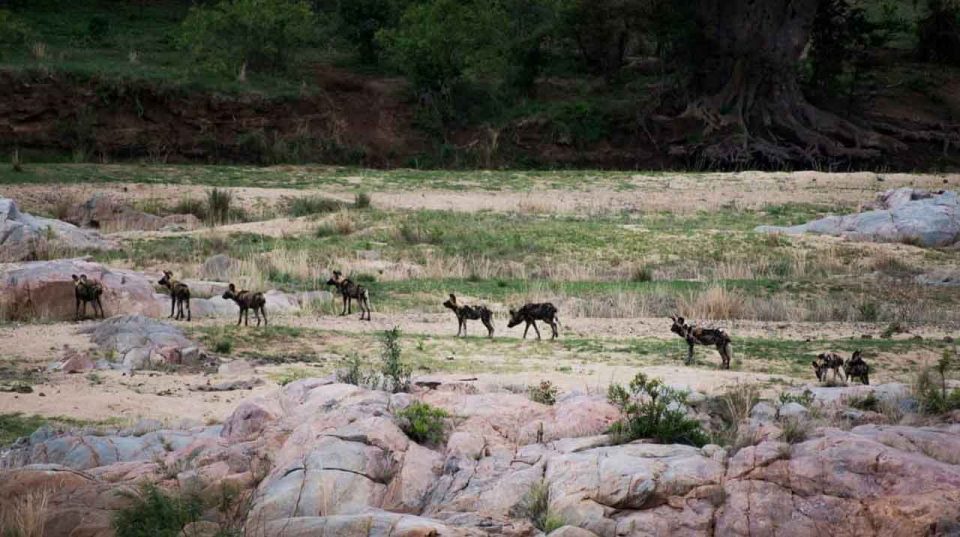
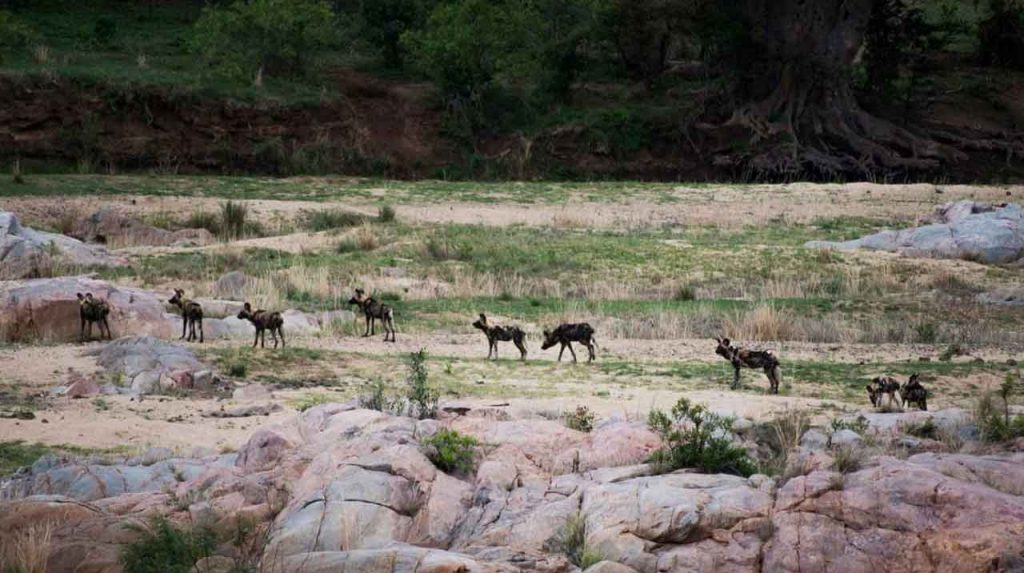
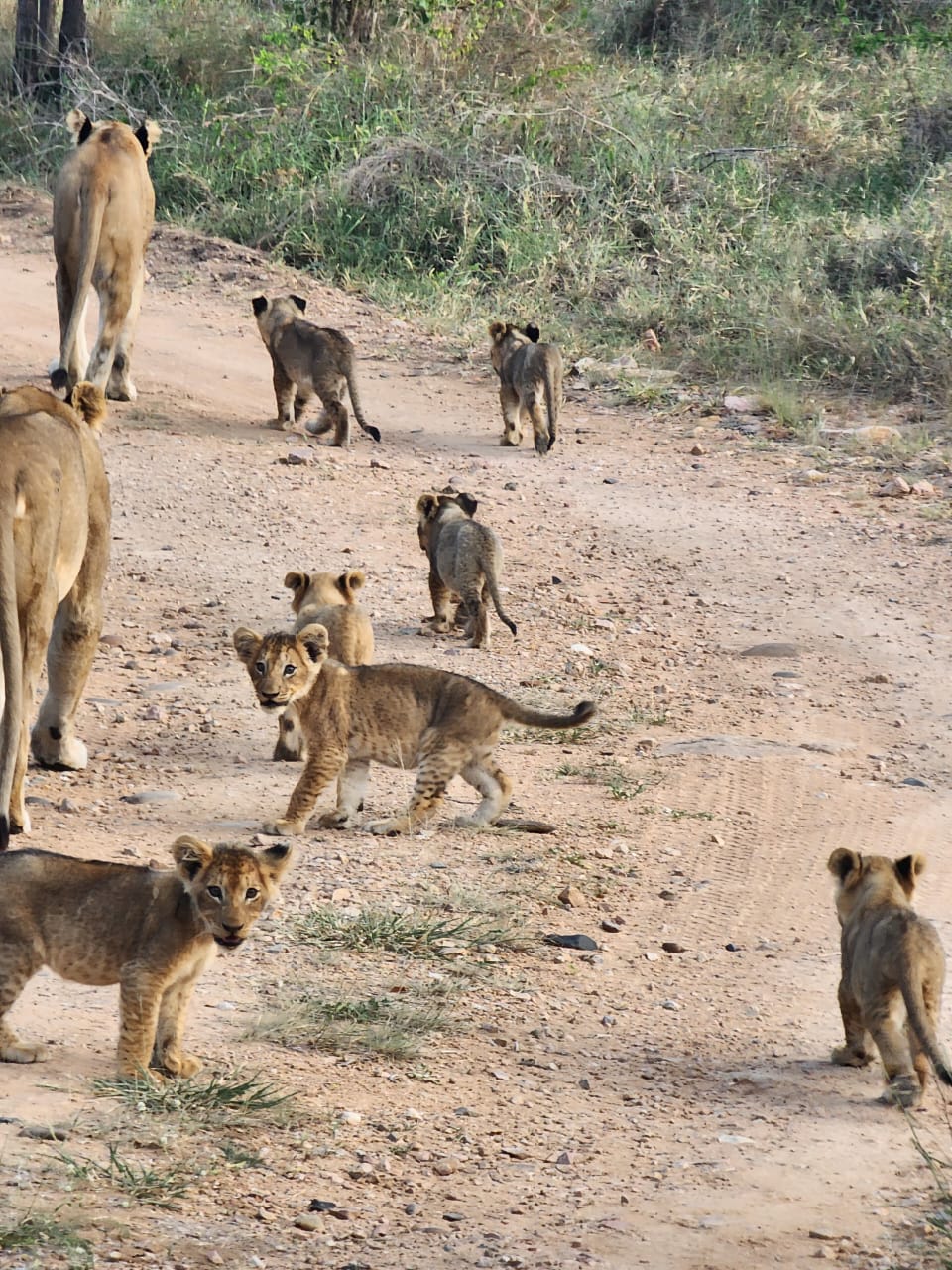
At a riverfront lodge in Mjejane Game Reserve, wildlife becomes part of daily life. Families can watch elephants move along the river, observe antelope grazing nearby, and listen to the sounds of the bush from the comfort of their own deck.
This kind of viewing allows for deeper engagement. Instead of seeing animals briefly and moving on, families have time to observe behaviour, ask questions, and connect with what they are seeing.
A Day in the Life of a Slow Safari
A slow safari day unfolds naturally, without pressure or urgency.
Morning:
The day begins quietly. Some family members wake early to watch the sunrise, while others sleep in. Coffee is enjoyed on the deck as the bush comes alive. Wildlife sightings often happen naturally during this time, without any need to leave the lodge.
Midday:
As the day warms up, the focus shifts to relaxation. Children swim in the pool, grandparents rest, and parents enjoy the stillness of the environment. Meals are prepared in the kitchen and shared together, without the need to adhere to set times.
Afternoon:
Some families choose to go for a drive or explore the surrounding area, while others remain at the lodge. The key is choice—there is no pressure to follow a schedule.
Evening:
The day ends with a braai or a shared meal, followed by time around the fire. Stories are shared, children wind down, and the sounds of the bush create a peaceful backdrop.
This rhythm allows every member of the family to participate in a way that suits them.
The Benefits of Slow Safari for Children
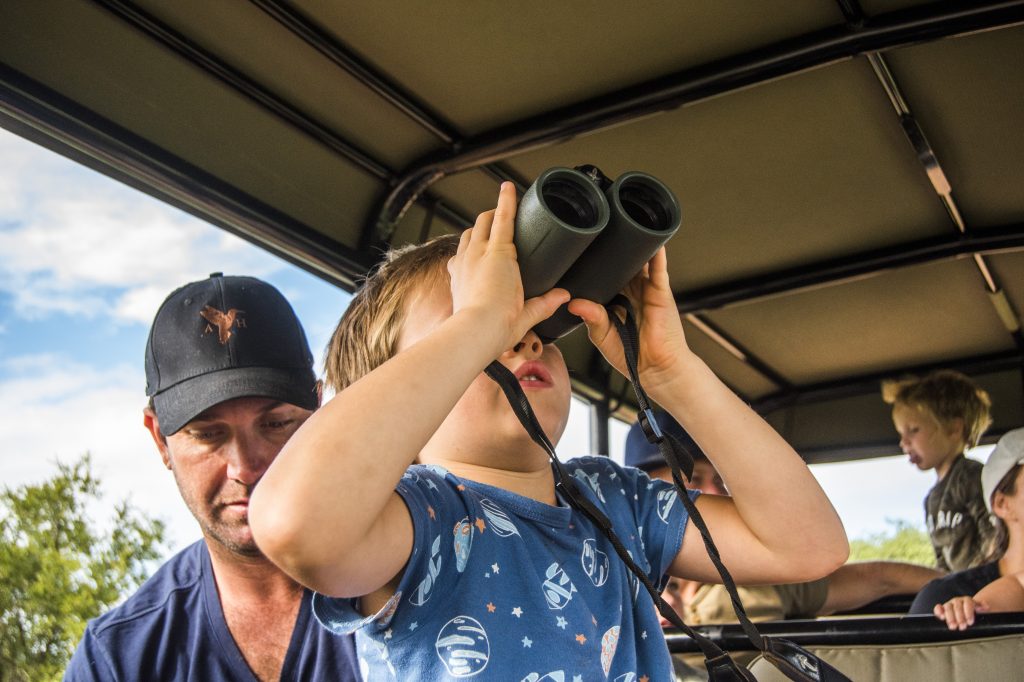
Children often struggle with fast-paced travel. Long drives and strict schedules can lead to fatigue and frustration. A slow safari, on the other hand, keeps them engaged and comfortable.
They benefit from:
- freedom to play in a safe environment
- constant exposure to wildlife
- time to rest between activities
- shared experiences with family members
Instead of being overwhelmed, children become curious, observant, and connected to nature.
Why Grandparents Thrive in a Slow Safari Setting
For older travellers, comfort and ease are essential. A slow safari allows grandparents to enjoy the experience without physical strain.
They can:
- enjoy wildlife viewing from the lodge
- rest when needed
- participate in activities at their own pace
This inclusivity makes the safari meaningful for the entire family.
Reconnecting as a Family
One of the most powerful aspects of a slow safari is the opportunity it creates for connection. Without the distractions of daily life, families have time to talk, share, and simply be together.
Meals become moments of conversation. Evenings become storytelling sessions. Days unfold in a way that encourages presence rather than distraction.
This is what makes the experience truly valuable—not just the wildlife, but the relationships strengthened along the way.
The Future of Family Safari Travel
The growing popularity of slow safari travel reflects a broader shift in how people approach holidays. Families are no longer looking for the busiest itinerary—they are looking for the most meaningful experience.
For those exploring game lodges in Mpumalanga, this means choosing accommodation that supports relaxation, flexibility, and connection. A luxury self-catering safari lodge near the Kruger National Park provides exactly that.
In Mjejane Game Reserve, families can experience the bush in a way that feels calm, personal, and unforgettable. The slow safari is not just a trend—it is a return to what travel is meant to be.
And for families seeking a safari that truly works for everyone, it may just be the perfect way to experience the African bush.